




Trailborn Grand Canyon Blog
Tips & Advice for Visiting the Grand Canyon in Winter
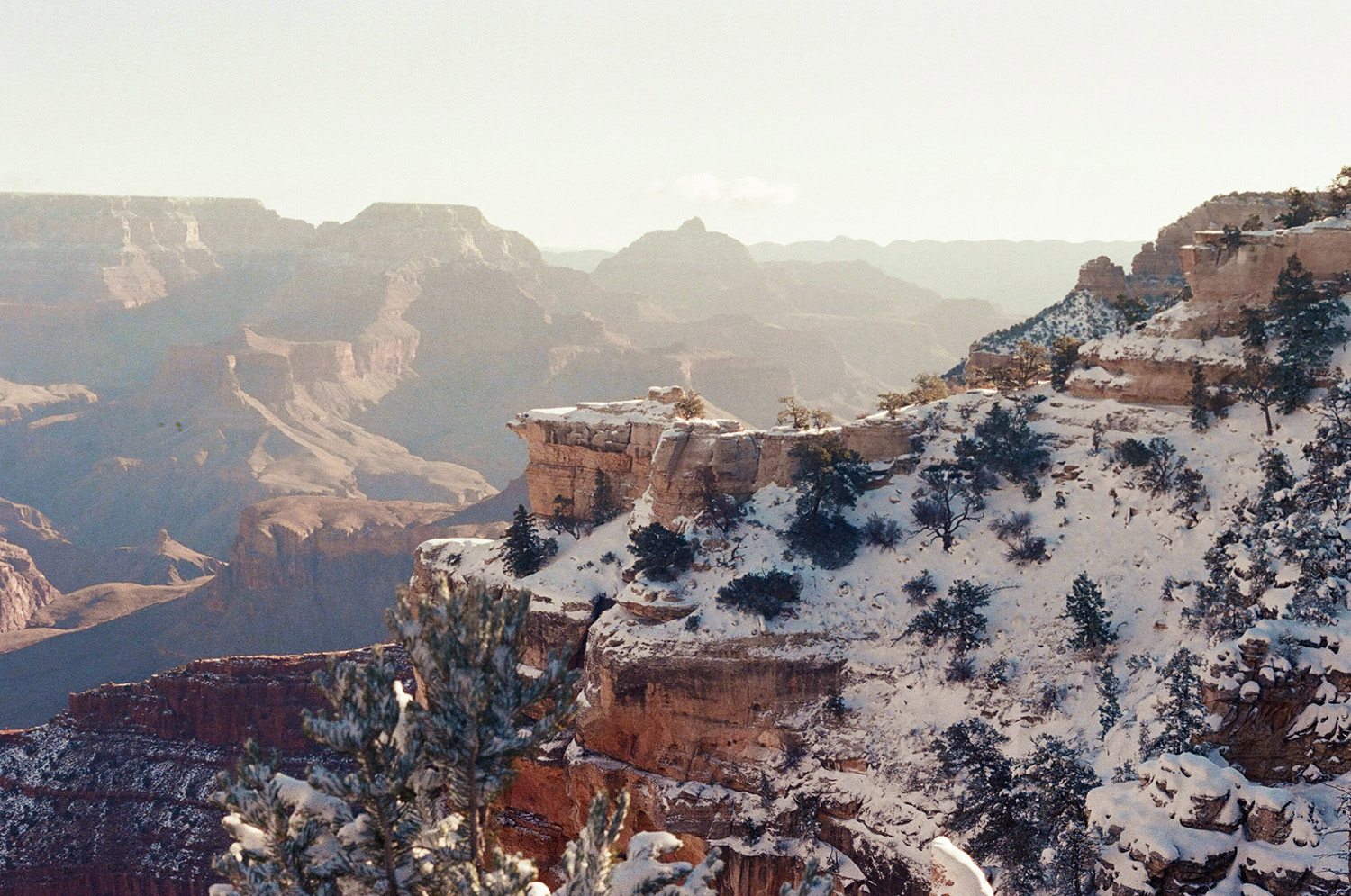
Visiting the Grand Canyon in winter feels completely different from the busy summer season. The trails are quieter, the air is crisp, and the canyon seems to stretch even farther under soft golden winter light. Mornings begin slowly, with frost on the trees near the rim, and viewpoints often feel peaceful enough to enjoy entirely on your own. For many travelers, it is the most rewarding time of year to visit.
Winter does require a bit more preparation, with colder temperatures, icy trails, and shorter daylight hours, but the payoff is big. You will find dramatic visibility, fewer crowds, and an atmosphere that makes each overlook feel more intimate. After hours spent exploring in the cold, Trailborn Grand Canyon offers a warm, comfortable place to settle in, reset, and get ready for the next day’s adventure.
What to Expect: Grand Canyon Winter Weather
Winter at the Grand Canyon brings a wide range of conditions depending on elevation. Along the South Rim, mornings and evenings are often below freezing, while daytime temperatures can rise into the 40s or low 50s. Fresh snow is common at the rim, dusting the pines and framing the canyon in bright white, creating a photographer’s dream.
Inside the canyon, it is a different story. The deeper you hike, the warmer it gets. The inner canyon can be mild, even warm, which means many hikers start bundled in hats and gloves but shed layers as they descend. Still, trails near the rim can be slick, especially in early morning shade. Bright Angel and South Kaibab are known for icy switchbacks this time of year, so traction devices are essential.
The light is one of winter’s biggest gifts. Soft, low-angled sunlight transforms the landscape, and after storms, the skies often clear dramatically, creating some of the best visibility you will find all year.
Tips for Hiking the Grand Canyon in Winter
Winter hiking at the Grand Canyon is peaceful, scenic, and deeply memorable. With the right preparation, it becomes one of the most enjoyable ways to experience the park.
Wear traction devices
Upper sections of popular trails such as the Bright Angel or the South Kaibab often develop icy patches. Lightweight microspikes dramatically improve safety and stability.
Layer up
Start with a moisture-wicking base layer, then add insulating layers and a shell. Temperatures shift quickly as you move in and out of shade or descend deeper into the canyon.
Start early
Winter days are short. Early starts give you more daylight and the flexibility to navigate icy sections slowly and safely.
Remember: what goes down must come up
Descending always feels easy, especially in the cold. The climb back to the rim is demanding. Pace yourself, snack often, and drink plenty of water, even when you do not feel thirsty.
Prepare for warmth at the bottom
The inner canyon can be surprisingly warm. Many hikers find themselves shedding layers after the first mile or two.
Check conditions before hiking
The National Park Service updates trail advisories frequently. Winter storms can close roads, slow shuttle service, or create hazardous trail conditions.
With sensible preparation, winter hiking at the Grand Canyon often becomes the highlight of a trip.
Things to Do at the Grand Canyon in Winter
Winter changes the way you move through the park, and for many visitors, that is part of the magic. Here are some rewarding activities beyond long hikes.
Scenic Drives
Desert View Drive remains open year-round and offers wide sweeping canyon views with fewer crowds. Hermit Road typically shifts to shuttle-only access, but when shuttles are operating, it is an excellent route for quiet winter overlooks.
Snow-dusted Viewpoints
Fresh snow transforms the canyon rim into something spectacular. Mather Point, Yavapai Point, and Hopi Point are especially beautiful after a snowfall.
Winter Wildlife
Elk and mule deer are active throughout winter. Ravens and condors glide along the thermals and are often easier to spot against clear winter skies.
Photography
The low winter sun produces long shadows and glowing canyon layers. It is one of the best seasons for photography, especially at sunrise and sunset.
Easy Winter Walks
Walk a section of the Rim Trail, which stays mostly accessible even after snowstorms and offers panoramic views without steep descents.
Safety & Seasonal Advice
While winter is a wonderful time to explore, it’s important to go prepared.
- The Grand Canyon is open year-round. If you are wondering, “Is the Grand Canyon closed in winter?”, the answer is no. Some facilities operate on reduced hours, but the park remains open.
- Check for temporary road closures. Snowstorms can shut down roads like Desert View Drive or cause icy conditions near the rim. Check NPS and ADOT updates before driving.
- Hydrate and snack regularly. Cold weather can mask dehydration, especially on longer hikes.
- Watch for wind chill. Rim conditions can feel significantly colder than the air temperature.
- Bring essentials. Pack microspikes, gloves, warm layers, a headlamp, water, and snacks.
Trailborn’s front desk team is always happy to offer local updates, weather insight, and simple day-planning tips to help you make the most of winter conditions.
Why Stay at Trailborn Grand Canyon
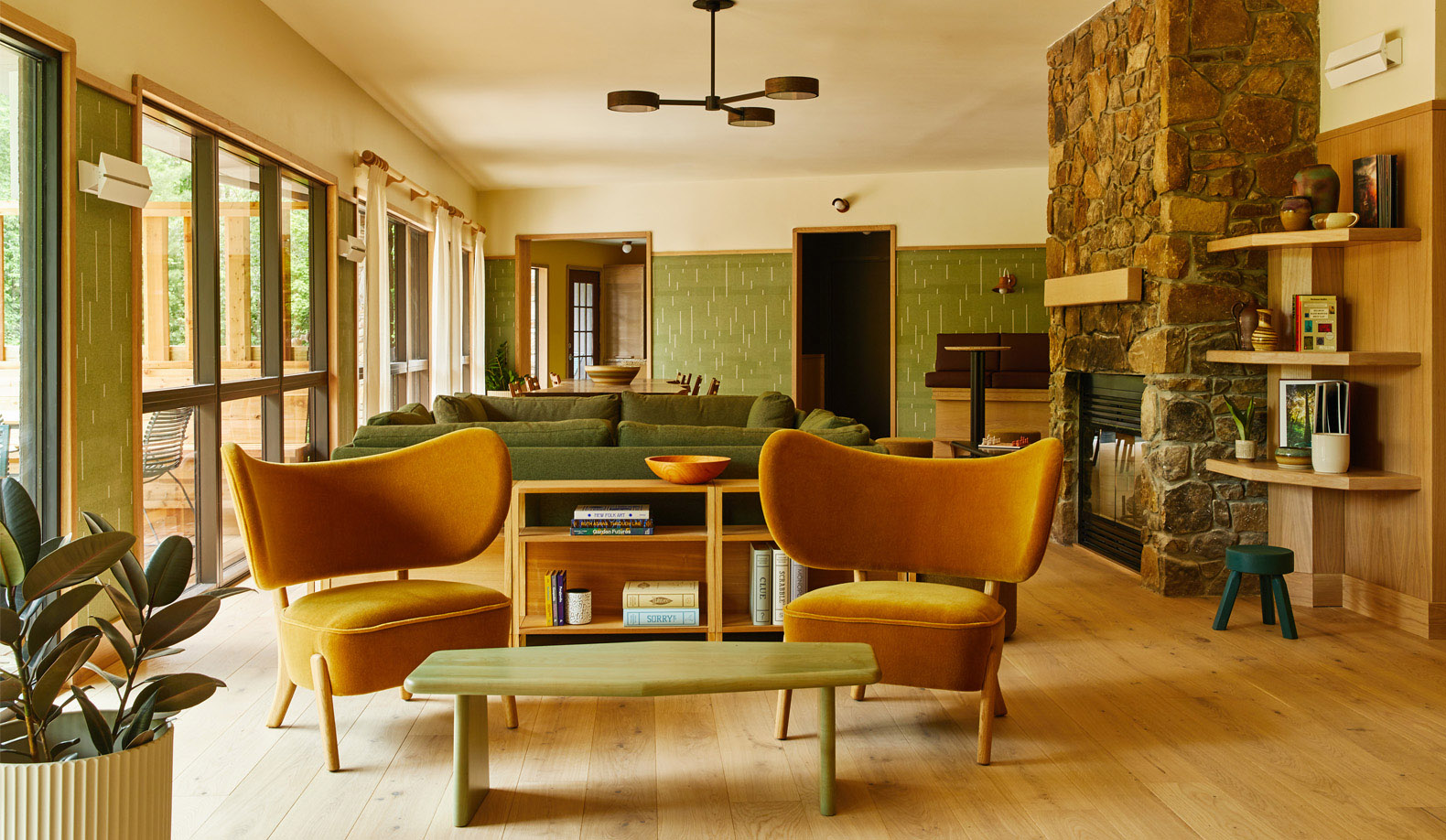
Winter at the canyon is breathtaking, and it feels even better when you know a warm, modern space is waiting for you at the end of the day. Trailborn Grand Canyon offers a cozy home base close to the South Rim but slightly removed from winter crowds.
After hours in the cold, guests settle into comfortable rooms with soft bedding, warm lighting, and a calm atmosphere that makes it easy to unwind. Miss Kitty’s serves hearty meals and hot drinks that feel especially satisfying after a day in the wind. Easy parking and a spacious layout simplify prepping winter gear, and the friendly team creates a sense of ease that travelers appreciate during the colder months.
It is a place where you can thaw out, slow down, and get ready for another day of exploring. Comfort without fuss is exactly what winter adventurers need most.
Build Your Grand Canyon Winter Itinerary
Planning your winter trip becomes simple once you know what to expect. A sample day:
- Start with sunrise at Mather Point or Yavapai Point
- Spend the morning on a short section of Bright Angel or the Rim Trail
- Warm up over lunch, then explore Desert View Drive
- Visit the Yavapai Geology Museum for stunning indoor canyon views
- End with sunset photography and dinner at Miss Kitty’s
A balanced winter day includes a scenic drive, a manageable hike, and time at a quiet viewpoint.
Ready to Experience Winter at the Canyon?
Winter at the Grand Canyon is peaceful, dramatic, and refreshingly calm, a season full of soft light, snow-dusted cliffs, and wide-open trails. Whether you are hiking below the rim or simply enjoying the view, it is a truly special time to visit.
And when the day turns cold, Trailborn Grand Canyon is the cozy place to come home to. Book your winter stay and experience the canyon in its quietest and most atmospheric season.