



Trailborn Grand Canyon Blog
Grand Canyon Railway: How to Ride the Historic Train from Williams to the Grand Canyon
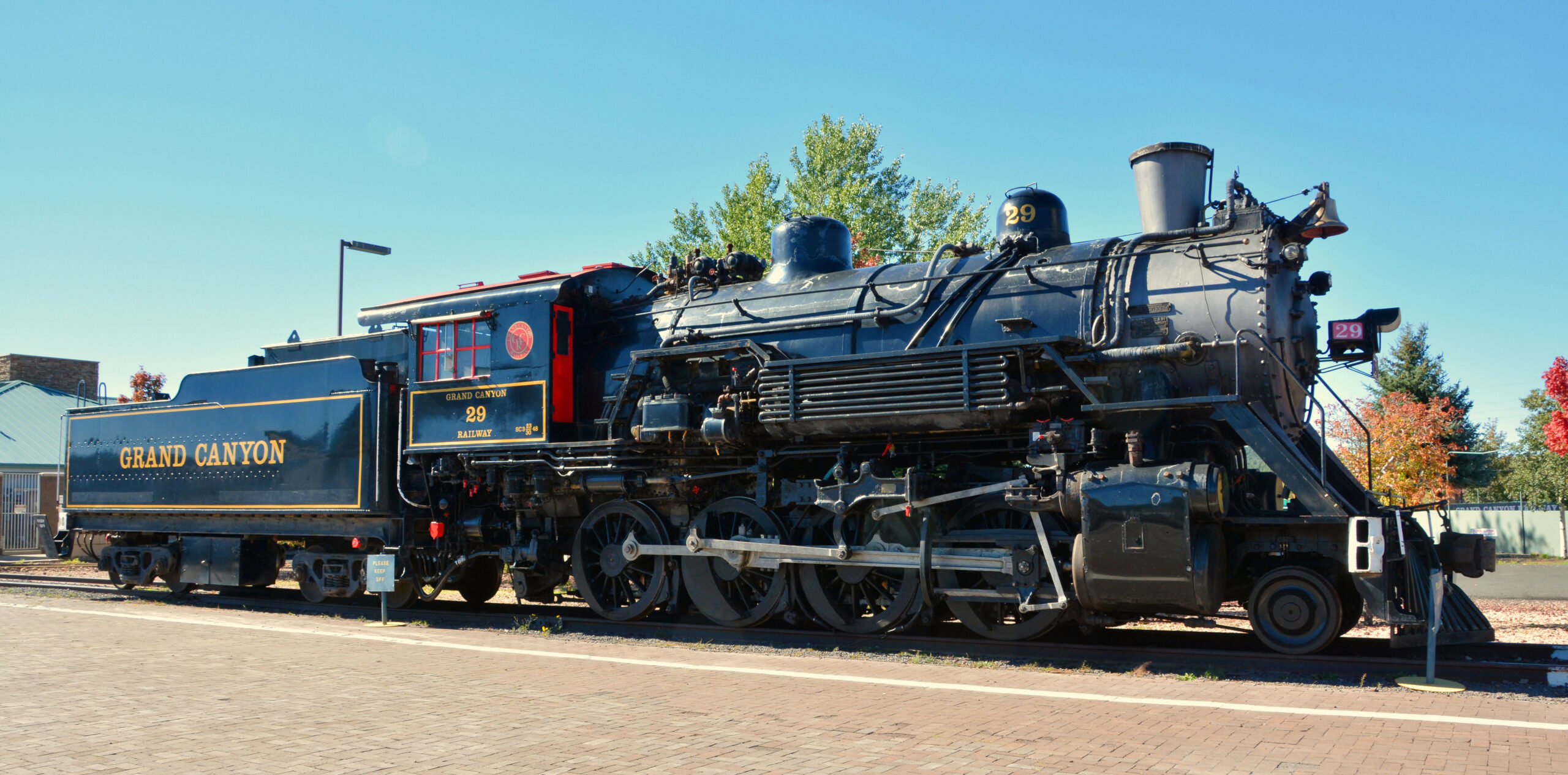
Some journeys are worth taking for the journey itself. The Grand Canyon Railway is one of them. Running since 1901, this historic train route connects the small Route 66 town of Williams, Arizona with the South Rim of the Grand Canyon, and doing it by rail rather than by road changes the experience entirely. No highway traffic, no parking searches, no staring at a GPS. Just 65 miles of high desert scenery, a beautifully restored vintage train, and the anticipation of arriving at one of the most awe-inspiring places on earth.
This guide covers everything you need to know: tickets, schedules, what the different train classes are like, what to expect on arrival, and why spending a night in Williams before you board makes the whole trip significantly better. If you are planning a Grand Canyon road trip and considering using the railway, here is how to make the most of it!
The Route: Williams to Grand Canyon Village
The Grand Canyon Railway departs from the historic Williams Depot, a beautifully preserved 1908 train station on the edge of downtown Williams. From there, the route heads north through ponderosa pine forest, open grassland, and high desert terrain before pulling into Grand Canyon Village Station right on the South Rim, steps from the canyon itself.
The journey takes approximately two hours and fifteen minutes each way. The train departs Williams at 9:30am and arrives at the Grand Canyon at 11:45am, giving passengers a generous window at the South Rim before the return departure at 3:30pm, which brings you back into Williams by 5:45pm. It is a self-contained day trip with no car required at either end.
The Grand Canyon Railway schedule runs daily, with seasonal variations, so it is worth checking current timetables when planning your trip. The Polar Express Grand Canyon Railway service, which runs in November and December, operates on a separate seasonal schedule and is enormously popular with families. Book well in advance though to avoid disappointment on the Polar Express service!
Tickets and Classes: What to Book
Grand Canyon Railway tickets are available across several classes, each offering a noticeably different experience on board. Prices vary by class and season, but booking in advance is strongly recommended particularly for weekends, holidays, and the Polar Express departures.
- Coach Class: The most affordable option, with comfortable seating in vintage-style coaches. A good choice for those who want the experience without additional cost.
- Deluxe Coach: Upgraded seating with more space and a slightly more premium feel.
- First Class: Reserved seating in elegant restored cars with complimentary snacks and non-alcoholic beverages. A more relaxed and comfortable way to travel.
- Observation Dome: The premium choice, with panoramic 360-degree views from a glass-topped dome car. Worth the upgrade for the scenery alone, particularly on clear days.
- Luxury Parlour: The top-tier experience, with private seating, premium service, and a setting that feels genuinely special. Ideal for special occasions or those who simply want the best on board.
What the Ride Is Like
From the moment the train pulls out of Williams Depot, the experience is deliberate and unhurried in the best possible way. The landscape changes gradually as the train climbs in elevation. Open ranchland gives way to pinyon and juniper scrub, then the tall ponderosa pines of the Kaibab Plateau. Wildlife sightings along the Grand Canyon Railway route are common: elk, mule deer, and pronghorn antelope are regularly spotted from the windows.
On board, the atmosphere is part of the appeal. Characters roam the train such as cowboy musicians, strolling singers, and, on some departures, mock train robberies that play out on the platform before boarding and occasionally mid-journey. It is theatrical and fun, and it makes the Grand Canyon Railway a particularly memorable experience for families traveling with children.
Arriving at Grand Canyon Village Station you step off the train directly into the historic district of the South Rim, with the canyon viewpoints a short walk away.
At the Grand Canyon: Making the Most of Your Time
The daily train gives you roughly three and a half hours at the South Rim, which is enough time to walk a section of the Rim Trail, take in the viewpoints near the Village, visit the historic El Tovar Hotel, and have lunch, but it moves quickly. Having a loose plan before you arrive helps.
Mather Point and Yavapai Point are both within easy walking distance of the station and offer some of the most dramatic canyon views on the South Rim. The Rim Trail connects them and can be walked in either direction without doubling back. If you want to go further, the free South Rim shuttle buses run regularly from the Village area and extend your range considerably within the available time.
For a Grand Canyon Railway day trip, the experience is entirely achievable and deeply satisfying. For those who want longer at the canyon, overnight packages are available that allow you to stay on the South Rim before returning by train the following day.
Why Stay in Williams Before You Board
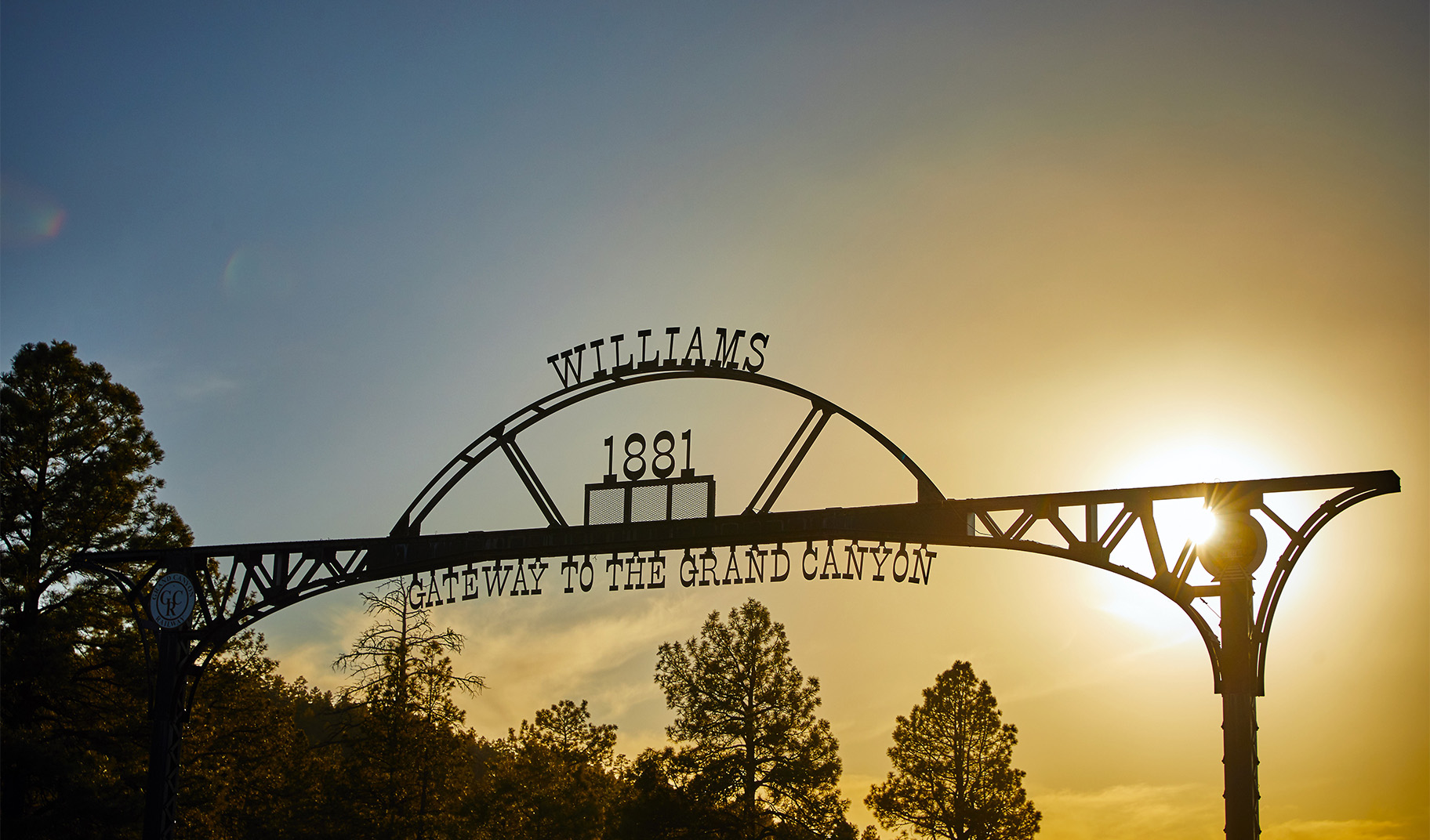
Williams, Arizona is one of those towns that rewards the decision to stop. Sitting on historic Route 66 at 6,700 feet elevation, it is small enough to walk in an evening and interesting enough to make you want to stay longer. The main street is lined with independent restaurants, western-style bars, and shops that reflect the town’s history as a Route 66 landmark. The surrounding Kaibab National Forest makes it an outdoor destination in its own right.
For railway travelers, staying in Williams the night before your departure makes the morning straightforward. The 9:30am train is an easy start from a town this size, and arriving the evening before means you can explore Williams at a relaxed pace, have dinner, and board the train the next morning without any of the stress of a long early drive.
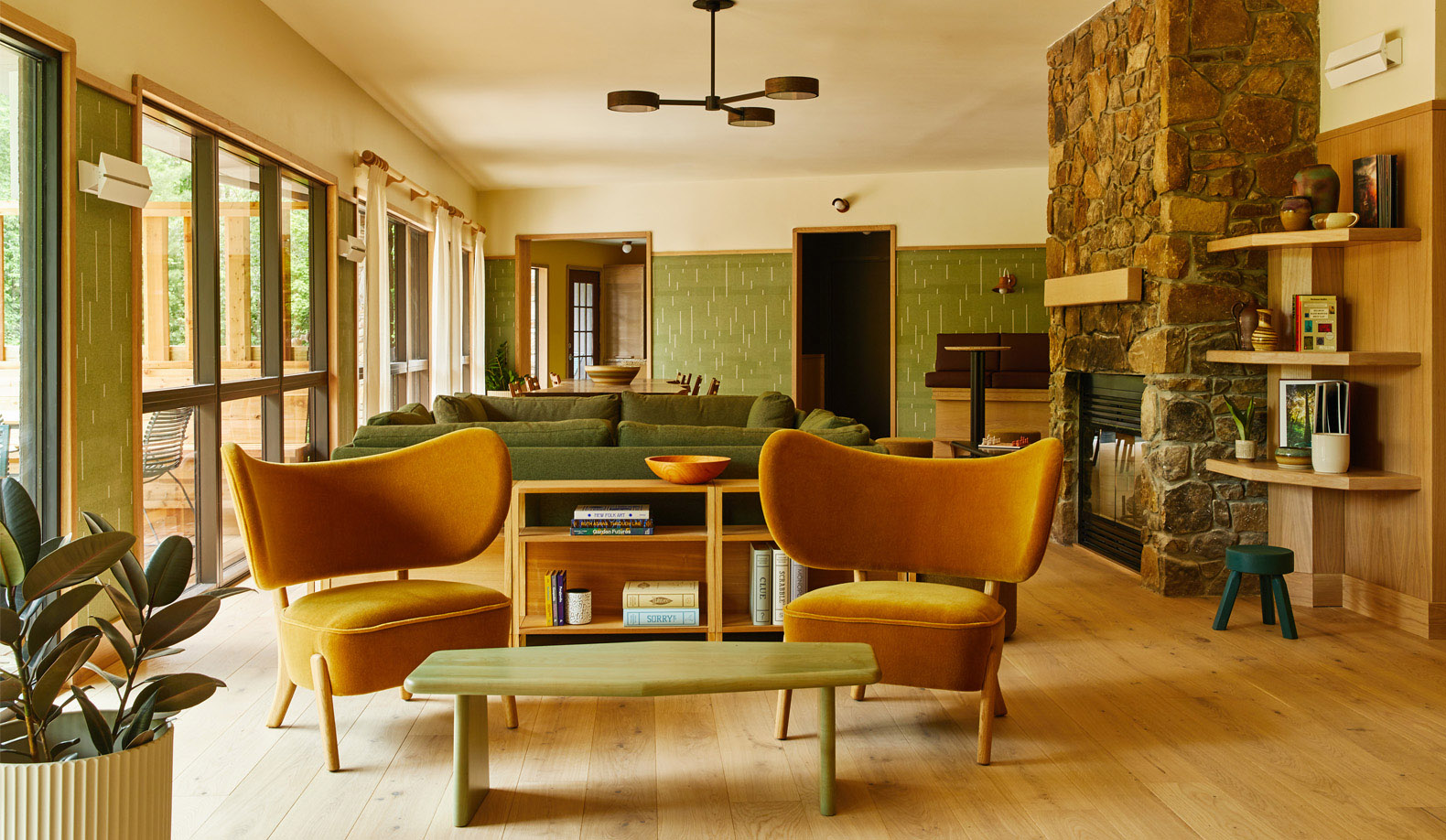
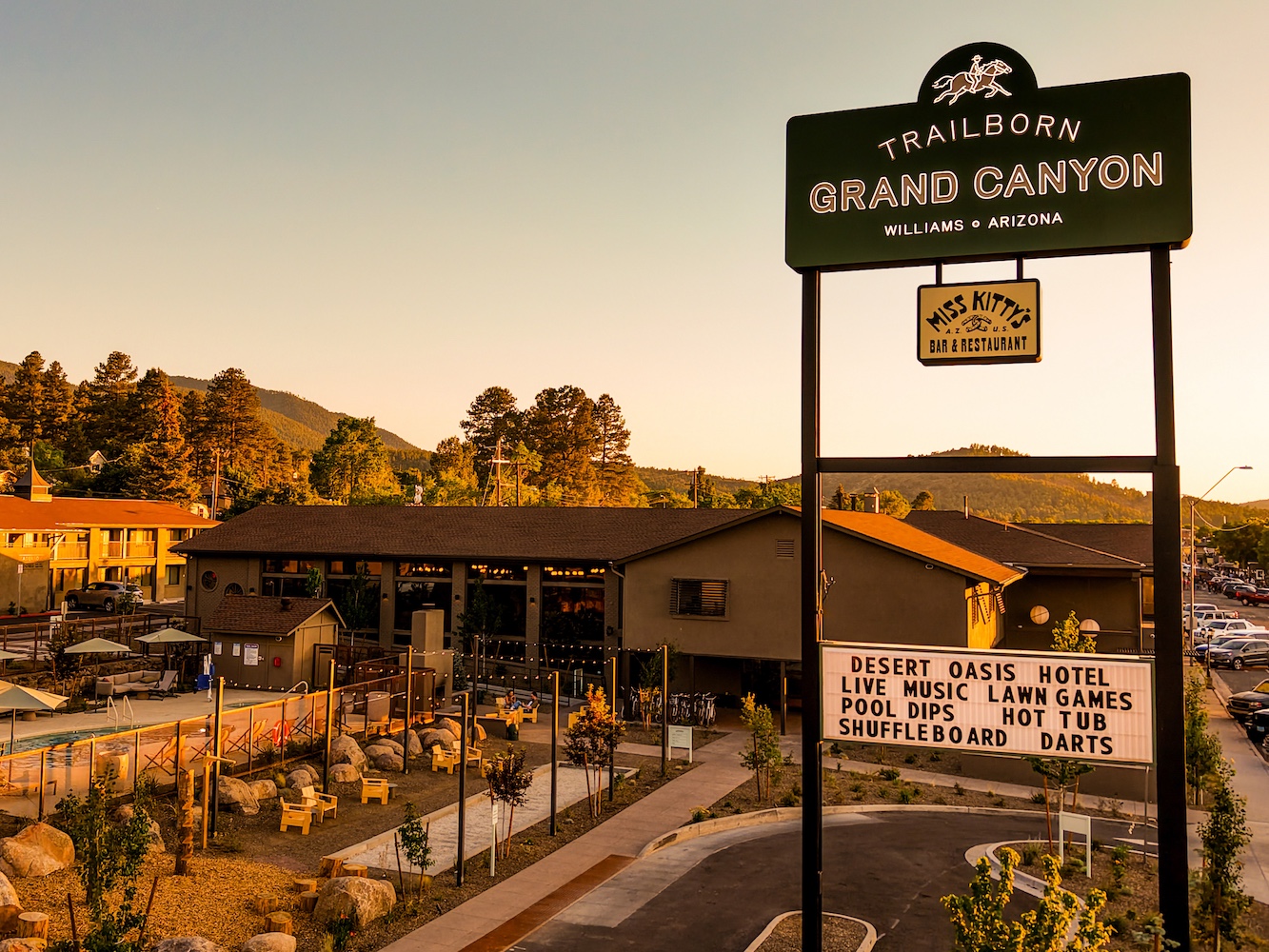
Trailborn Grand Canyon, located in Williams, is a natural base for this kind of trip. Designed for travelers who come to explore, whether you are a hiker, road tripper, or outdoor enthusiast. Trailborn Grand Canyon sits close to the Williams Depot and offers the kind of comfortable, well-considered stay that sets a trip up well.
The Grand Canyon Railway as Part of a Wider Road Trip
The Grand Canyon Railway fits naturally into a broader Southwest road trip, and Williams sits at a junction that makes it easy to connect with several classic routes. Las Vegas is around three hours west along I-40 and US-93, making a Vegas-to-Williams drive a logical and scenic opener to a canyon trip. The road passes through the Mojave Desert and Kingman, Arizona, classic Route 66 country. For a full breakdown of how to plan a Route 66 road trip through this region, our Route 66 road trip guide covers the full route in detail.
Whether the railway is the centerpiece of your trip or one part of a longer itinerary, Williams is the right place to begin it. The train leaves in the morning. The canyon is waiting at the other end. There are few better ways to arrive!
Frequently Asked Questions About The Railway
The Grand Canyon Railway Depot in Williams is just a short drive from Trailborn Grand Canyon, typically around 5 minutes by car. You could also reach it via a quick taxi or rideshare, making it an easy and convenient starting point for your journey.
Yes, tickets for the Grand Canyon Railway can sometimes be purchased on the day at the depot, but availability is not guaranteed. Trains often sell out in peak seasons (spring, summer, holidays, and Polar Express dates), so booking in advance is strongly recommended to secure your preferred class.
Trailborn Grand Canyon is located approximately 1–2 miles from the Williams Depot, making it one of the closest places to stay before boarding. The short distance means you can enjoy a relaxed morning without worrying about long drives or early departures.
Most standard day trips on the Grand Canyon Railway give you about 3 to 3.5 hours at the South Rim. This is enough time to visit key viewpoints like Mather Point and walk part of the Rim Trail, but planning ahead helps you make the most of your visit.