





Trailborn Grand Canyon Blog
Phoenix to Grand Canyon Road Trip: Scenic Stops and the Best Route to the South Rim
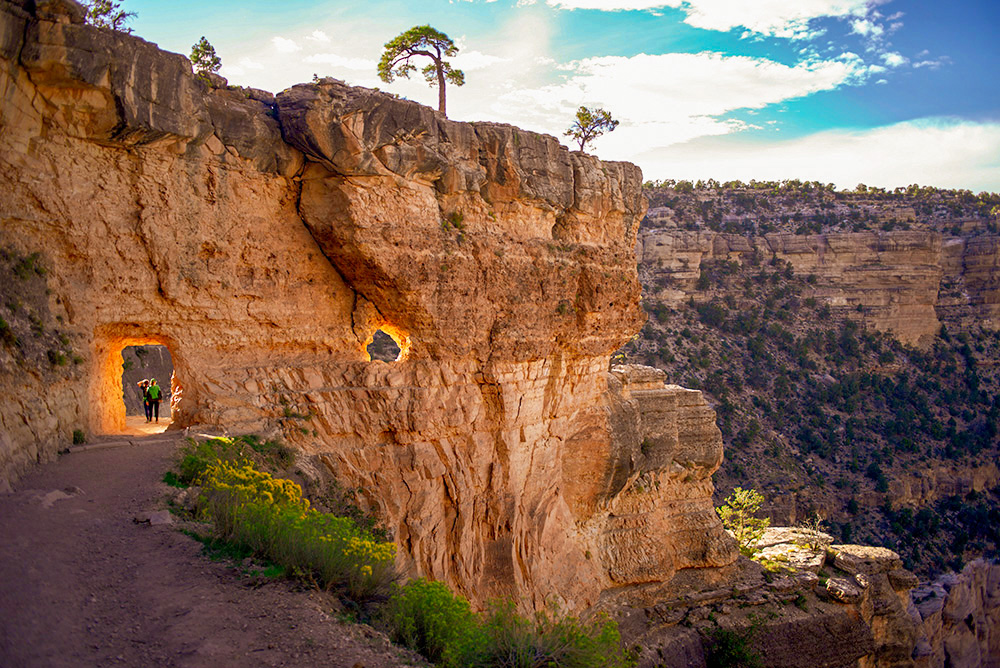
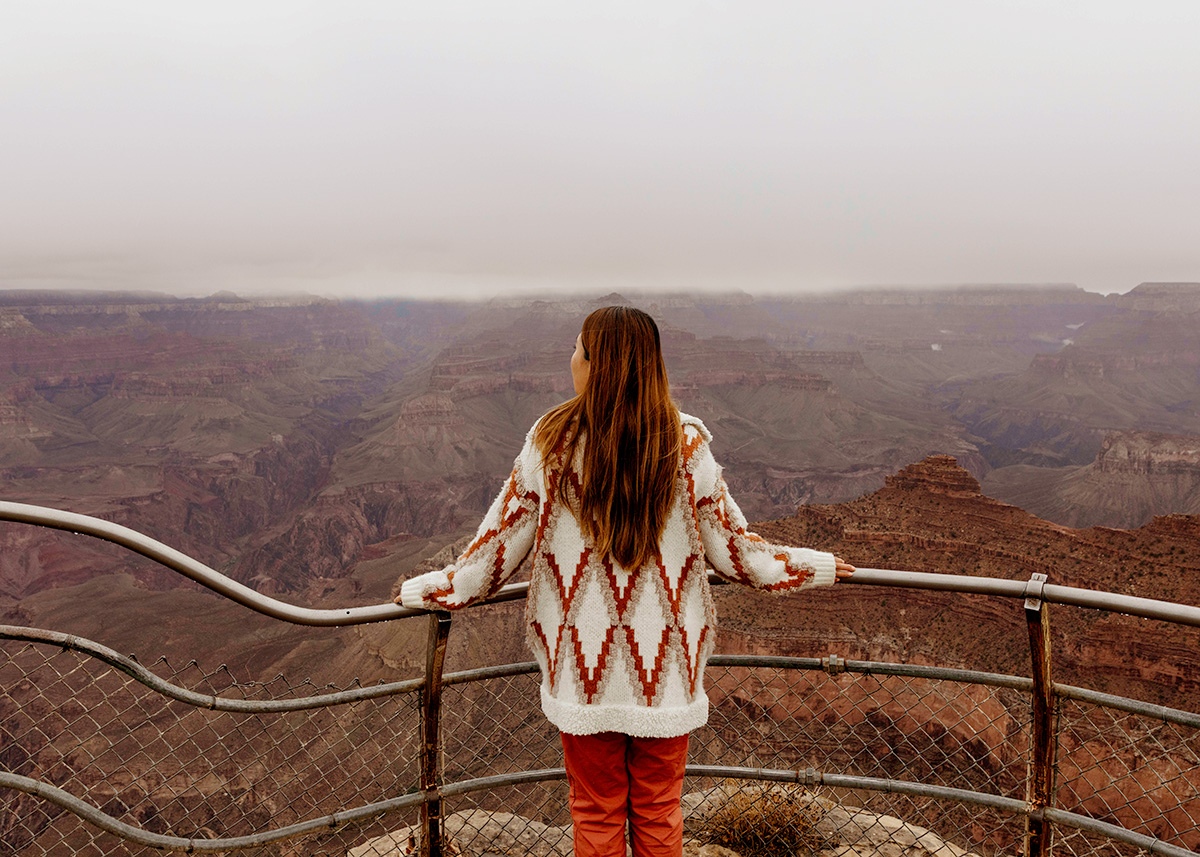
A road trip from Phoenix to the Grand Canyon is one of the most rewarding ways to experience Arizona. The journey moves from desert landscapes to pine forests, from wide-open highways to historic Route 66 towns, gradually building toward one of the most iconic natural wonders in the world.
While the drive itself can be completed in just a few hours, the experience is best approached with intention. Scenic stops, small towns, and unexpected landmarks turn a straightforward route into something far more memorable.
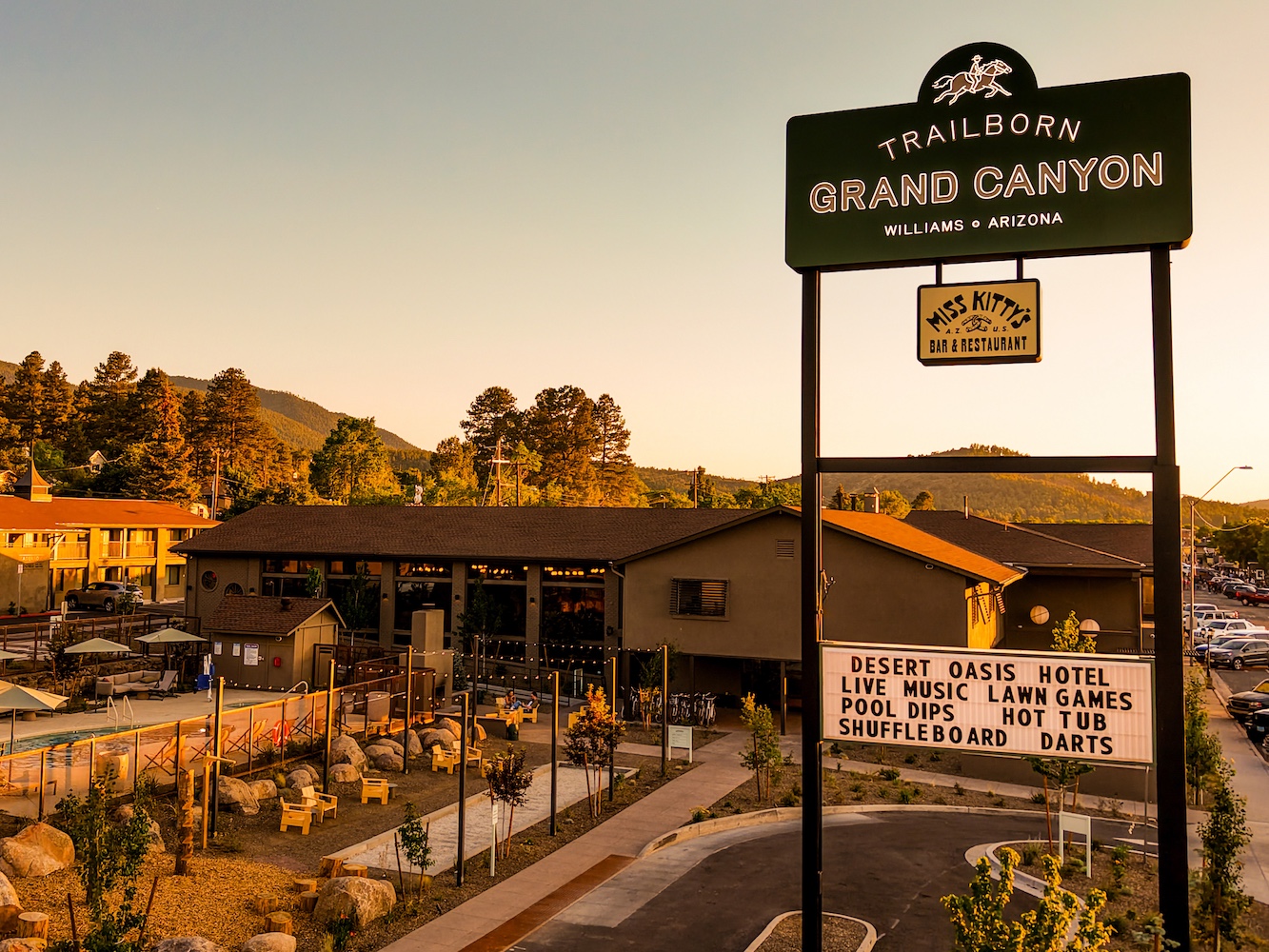
This guide walks you through the best route from Phoenix to the Grand Canyon South Rim, highlights worthwhile stops along the way, and explains why many travelers choose to pause in Williams, Arizona, home to Trailborn Grand Canyon. Before continuing north.
How Far Is the Grand Canyon from Phoenix?
The drive from Phoenix to the Grand Canyon South Rim is approximately 230 miles (370.15 km) and typically takes between 3.5 to 4 hours without stops.
There are a few route variations, but the most common and reliable option follows Interstate 17 north toward Flagstaff before connecting to Highway 64. This route balances efficiency with access to some of Northern Arizona’s most interesting landscapes and attractions.
For travelers looking to turn the drive into part of the experience, adding a few planned stops can easily stretch the journey into a full-day road trip.
The Best Route from Phoenix to the Grand Canyon South Rim
The most popular road trip route is straightforward but far from boring:
- Phoenix → I-17 North
- Sedona exit (optional detour)
- Flagstaff
- Williams via I-40
- Highway 64 North to the South Rim
This route offers the most flexibility, with options to explore red rock scenery, forested mountain towns, and historic Route 66 stops along the way.
While GPS will guide you efficiently, the key is knowing where it is worth slowing down.
Scenic Stops Between Phoenix and the Grand Canyon
Black Canyon City & Sunset Point
Leaving Phoenix, the landscape quickly shifts into rugged desert terrain. Sunset Point Rest Area is one of the first worthwhile stops, offering sweeping views over the Agua Fria Valley. It is a simple but effective way to break up the drive and take in the scale of the region early on.
Sedona (Optional Detour)
A short detour west of I-17 brings you into Sedona, known for its red rock formations and dramatic desert scenery. While it adds time to the journey, it is one of the most visually striking stops in Arizona.
Travelers often pause here for lunch, short hikes, or simply to take in the views before continuing north.
Flagstaff
Flagstaff marks a noticeable shift in elevation and atmosphere. Surrounded by pine forests and sitting at nearly 7,000 feet (2.13 km), it offers cooler temperatures and a relaxed mountain-town feel.
It is a practical stop for fuel, food, or a quick walk through the historic downtown area. For many, it also serves as a midpoint before the final stretch toward the canyon.
Williams, Arizona
Williams is where the road trip begins to feel connected to the Grand Canyon experience itself.
Located along historic Route 66 and just an hour from the South Rim, it offers a slower pace and a sense of arrival before reaching the park. Many travelers choose to stop here rather than pushing straight through.
The town combines convenience with character, making it one of the most strategic and enjoyable stops along the route.
Grand Canyon Railway (Optional Experience)
For those looking to extend the experience, Williams is also home to the Grand Canyon Railway. This historic train offers an alternative way to reach the South Rim, allowing travelers to park in town and enjoy a scenic ride into the park.
While not necessary, it adds a unique dimension to the journey for those with extra time.
Why Williams, AZ Is the Ideal Basecamp Before the Grand Canyon
Rather than arriving at the Grand Canyon rushed or late in the day, many travelers choose to stay overnight in Williams and continue the final leg of the journey the next morning.
This approach offers a few clear advantages:
- A shorter, more relaxed drive to the South Rim
- Easier access to sunrise views at the canyon
- A more comfortable pace for multi-day trips
- Better availability of dining, lodging, and parking compared to inside the park
Williams allows the road trip to unfold more naturally, turning the Grand Canyon visit into part of a broader experience rather than a single destination.
At Trailborn Grand Canyon, the focus is on providing that kind of experience. Designed as a modern basecamp, it offers a place to reset after the drive, gather with friends or family, and prepare for the final stretch to the canyon.
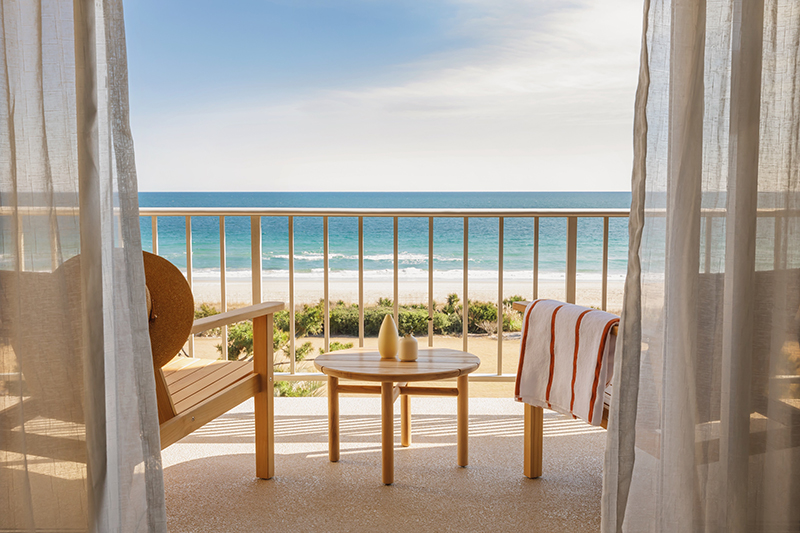
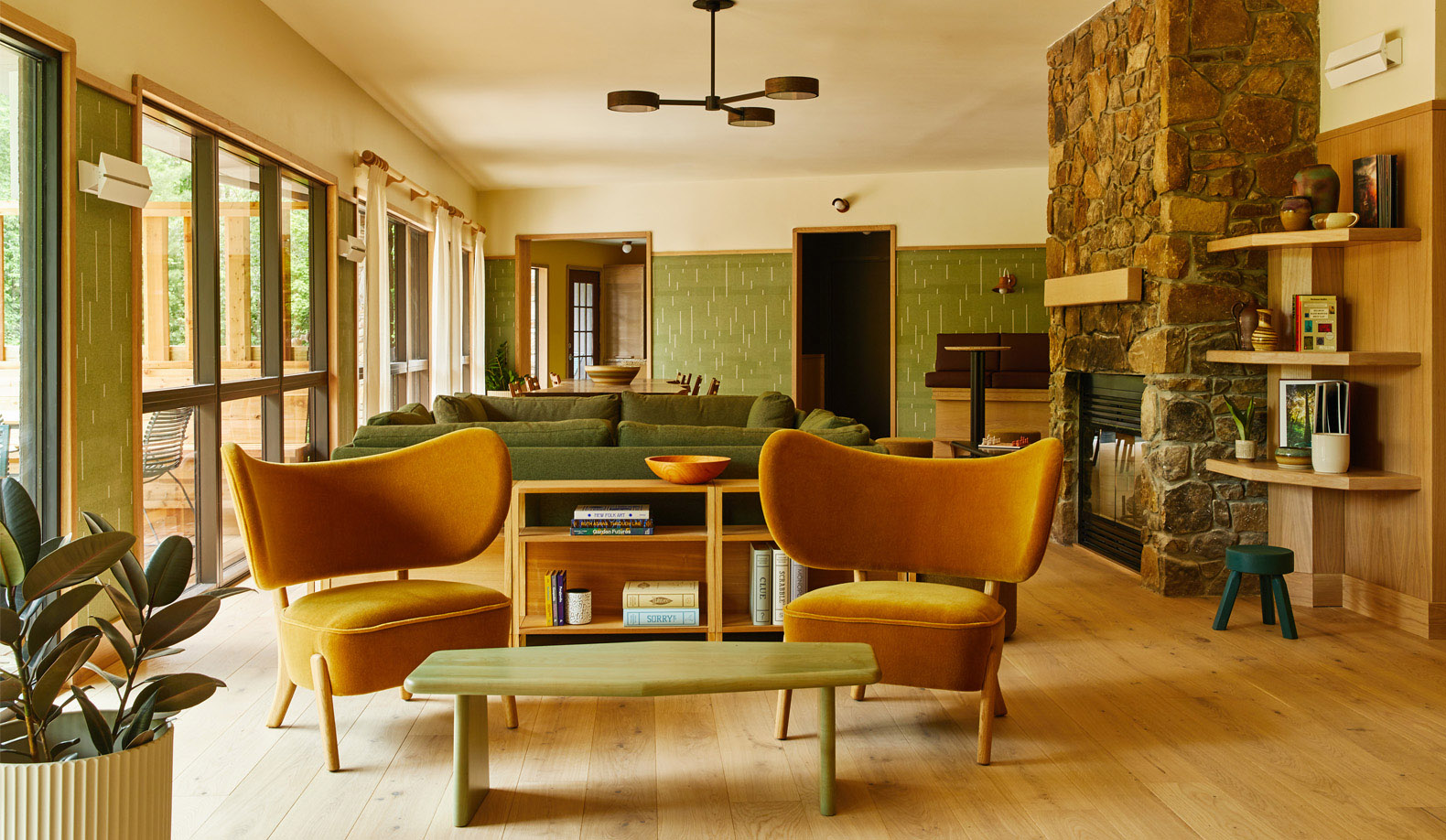
With thoughtfully designed rooms, communal spaces, and on-site dining, it supports everything from quick overnight stops to extended stays that explore Northern Arizona more deeply.
Final Stretch: Williams to the South Rim
From Williams, the drive to the Grand Canyon South Rim takes just under an hour via Highway 64.
This section of the journey feels different. The roads quiet down, the forests open up, and anticipation builds as you approach the park entrance. Arriving earlier in the day helps avoid peak traffic and allows more time to explore once inside.
Tips for Planning Your Phoenix to Grand Canyon Road Trip
- Start early to maximize daylight and avoid traffic leaving Phoenix
- Plan fuel stops in advance, especially beyond Flagstaff
- Check weather conditions, particularly in the winter months
- Allow extra time for scenic detours like Sedona
- Consider an overnight stay in Williams for a more relaxed experience
- Pack layers, as temperatures vary significantly between Phoenix and the canyon
Turning the Drive Into the Experience
A Phoenix to Grand Canyon road trip is not just about reaching the destination. It is about the gradual shift in landscape, the small stops along the way, and the sense of scale that builds with every mile north.
By taking the time to explore, pause, and reset in places like Williams, the journey becomes more than a drive. It becomes part of the story.
If you are planning your route, consider making Williams your basecamp and letting the final stretch to the Grand Canyon feel as intentional as the destination itself.