





Trailborn Grand Canyon Blog
Walnut Canyon National Monument: A Flagstaff Day Trip Near the Grand Canyon
When planning a Northern Arizona adventure, the Grand Canyon is often the headline destination, and for good reason. But just outside Flagstaff lies another remarkable landscape that deserves a place on your itinerary. Walnut Canyon National Monument offers a fascinating glimpse into Arizona’s ancient history, where centuries-old cliff dwellings are built directly into the canyon walls.
Less than an hour from Williams and easily reached on a day trip, Walnut Canyon feels worlds away from the crowds. Walking the trails, you’ll discover remarkably preserved homes once inhabited by the Sinagua people, surrounded by towering limestone cliffs, ponderosa pine forests, and sweeping canyon views.
Whether you’re building a multi-day Northern Arizona road trip or looking for an unforgettable stop between Flagstaff and the Grand Canyon, this guide covers everything you need to know before visiting Walnut Canyon National Monument.
What Is Walnut Canyon National Monument?
Established in 1915, Walnut Canyon National Monument protects one of Northern Arizona’s most significant archaeological sites. The monument preserves hundreds of ancient cliff dwellings built by the Sinagua people, who lived in the canyon between approximately AD 1100 and 1250.
Unlike many archaeological sites where history can only be viewed from a distance, Walnut Canyon allows visitors to walk directly beneath and alongside these remarkable stone homes. Built into natural limestone alcoves, the dwellings provided shelter from the elements while offering sweeping views across the canyon.
Today, the monument is managed by the National Park Service and offers visitors the chance to combine history, hiking, and spectacular scenery in a single visit.
Where Is Walnut Canyon National Monument?
Walnut Canyon National Monument is located approximately 10 miles east of Flagstaff, just off Interstate 40, making it one of the easiest national monuments to visit in Northern Arizona.
Distance from Popular Destinations
- Trailborn Grand Canyon to Walnut Canyon National Monument: Approximately 46 miles (around 55 minutes)
- Williams to Walnut Canyon National Monument: Approximately 45 miles (around 1 hour)
- Flagstaff to Walnut Canyon National Monument: Approximately 10 miles (20 minutes)
- Grand Canyon South Rim to Walnut Canyon National Monument: Approximately 90 miles (around 2 hours)
Its convenient location makes Walnut Canyon an excellent stop while exploring Northern Arizona, whether you’re travelling between Flagstaff and the Grand Canyon or looking to experience more than one National Park Service site during your stay.
Best Things to Do at Walnut Canyon National Monument
Walk the Island Trail
The Island Trail is the highlight of any visit to Walnut Canyon National Monument.
This one-mile loop descends approximately 185 feet into the canyon via more than 240 steps, taking visitors directly past a series of remarkably preserved cliff dwellings. Along the route, interpretive signs explain how the Sinagua people adapted to life within the canyon and made use of its natural resources.
Although the climb back up is moderately strenuous, the opportunity to experience the dwellings up close makes it well worth the effort.
Explore the Rim Trail
If you’re looking for a gentler walk, the Rim Trail provides an accessible way to experience Walnut Canyon’s scenery.
This relatively flat path follows the canyon’s edge, offering scenic viewpoints and opportunities to appreciate the scale of the landscape without the steep descent of the Island Trail. It’s an excellent choice for families, those with limited mobility, or anyone wanting to enjoy the monument’s dramatic views at a more relaxed pace.
Discover the Ancient Cliff Dwellings
One of the most fascinating aspects of Walnut Canyon is how well preserved the cliff dwellings remain.
The Sinagua people built their homes within shallow limestone alcoves, using locally sourced stone and timber to create compact living spaces that protected them from the weather while remaining close to fertile farmland along the canyon floor.
Walking among these structures offers a rare opportunity to connect with a culture that thrived here for more than 800 years ago.
Visit the Visitor Center
Before exploring the trails, spend some time at the visitor center to gain a deeper understanding of the monument’s history.
Interactive exhibits, archaeological displays, and ranger-led information help explain the significance of the Sinagua people, the geology of Walnut Canyon, and the wider history of Northern Arizona. It’s also the best place to check trail conditions before beginning your visit.
Why Did the Sinagua People Live Here?
Walnut Canyon offered an ideal place to live thanks to its unique combination of natural resources and protection.
The limestone alcoves provided shelter from harsh weather while helping regulate temperatures throughout the year. Seasonal streams supplied water, fertile soils allowed crops such as corn, beans, and squash to be grown nearby, and the surrounding forests offered timber, wildlife, and edible plants.
The canyon also sat close to important trade routes across Northern Arizona, allowing the Sinagua people to exchange goods with neighbouring communities throughout the Southwest.
Although they eventually left the area during the late 1200s, their carefully constructed homes remain one of the best-preserved examples of cliff dwellings in the region.
Best Time to Visit Walnut Canyon National Monument
Walnut Canyon National Monument can be enjoyed throughout the year, with each season offering a slightly different experience.
Spring (March-May)
Spring brings comfortable temperatures and blooming wildflowers, making it one of the best times to hike the Island Trail.
Summer (June-August)
Thanks to its elevation of nearly 7,000 feet, Walnut Canyon is noticeably cooler than many lower desert destinations. Morning visits offer the most pleasant hiking conditions during warmer months.
Fall (September-November)
Cooler weather and changing colours among the surrounding trees make autumn one of the most scenic times to visit.
Winter (December-February)
Light snowfall occasionally dusts the canyon walls, creating a striking contrast against the limestone cliffs. Visitors should check trail conditions before travelling, as icy sections can occasionally develop.
Can You Visit Walnut Canyon and the Grand Canyon in One Trip?
Absolutely. Walnut Canyon National Monument fits naturally into a wider Northern Arizona itinerary and is easily combined with a visit to Grand Canyon National Park.
One popular itinerary includes:
Day One: Arrive in Williams and explore historic Route 66.
Day Two: Visit Walnut Canyon National Monument before spending the afternoon exploring downtown Flagstaff.
Day Three: Head north to Grand Canyon National Park for a full day discovering the South Rim.
By staying in Williams, you can experience several of Northern Arizona’s most iconic attractions without needing to change hotels throughout your trip.
Other Attractions Near Walnut Canyon
If you’re spending time in the Flagstaff area, there are several worthwhile stops nearby that pair perfectly with Walnut Canyon National Monument.
Historic Downtown Flagstaff
Just 20 minutes away, downtown Flagstaff is filled with independent coffee shops, breweries, local boutiques, and historic Route 66 charm. It’s the perfect place to stop for lunch after exploring the monument.
Lowell Observatory
One of Flagstaff’s most famous attractions, Lowell Observatory has been inspiring visitors for more than 130 years. Evening programmes and telescope viewing sessions make it an excellent addition to your itinerary.
Sunset Crater Volcano National Monument
Discover ancient lava flows, volcanic landscapes, and scenic trails that showcase another side of Northern Arizona’s remarkable geology at the Sunset Crater Volcano National Monument.
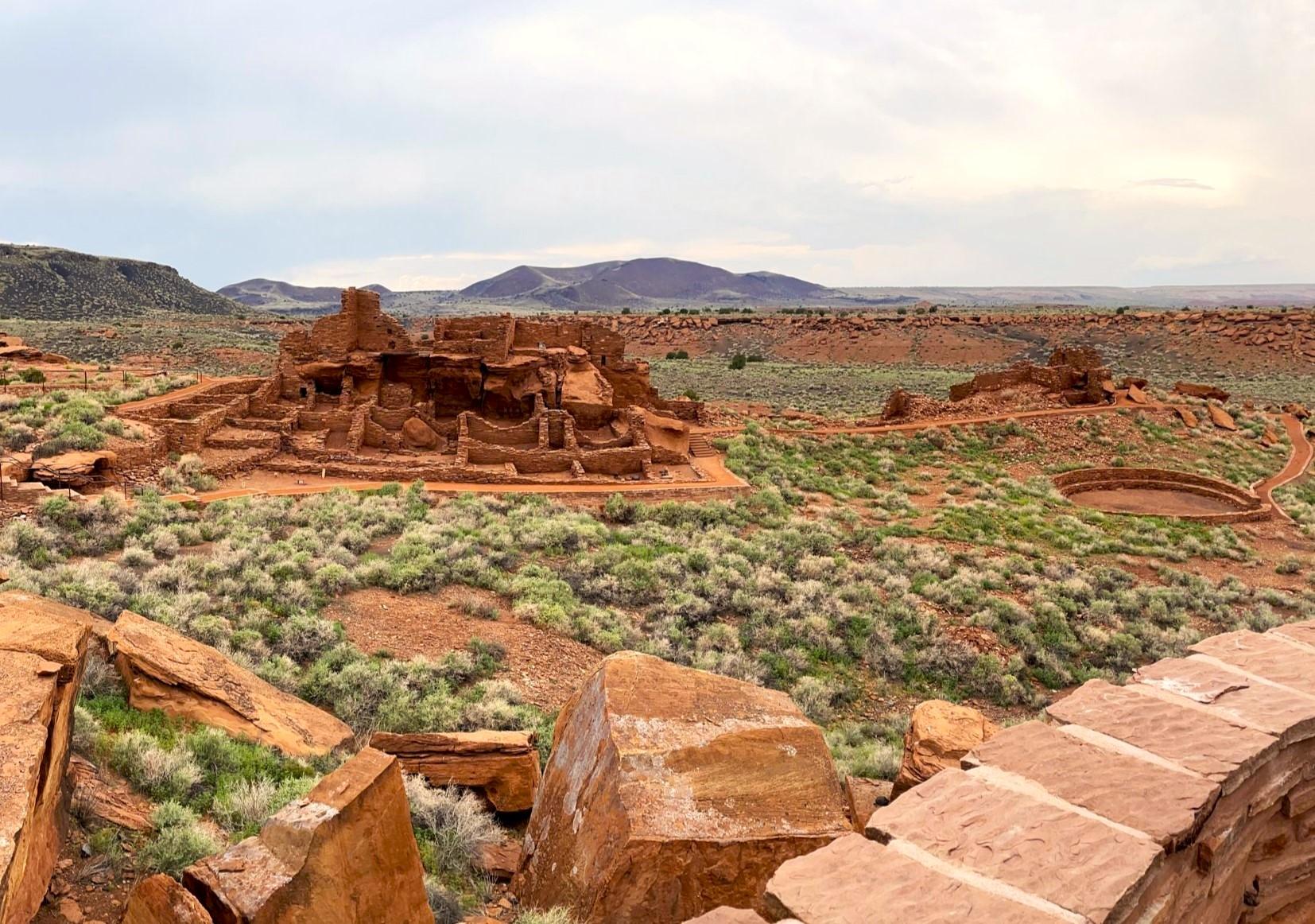
Wupatki National Monument
Located just beyond Sunset Crater, Wupatki preserves impressive ancestral Puebloan structures and offers another fascinating insight into the region’s Indigenous history.
Stay Close to Northern Arizona's Hidden Gems
Walnut Canyon National Monument is just one of the many remarkable places waiting to be discovered across Northern Arizona. Staying in Williams places you within easy reach of the monument, the Grand Canyon, Flagstaff, and historic Route 66, making it easy to experience several of the region’s highlights from one convenient location.
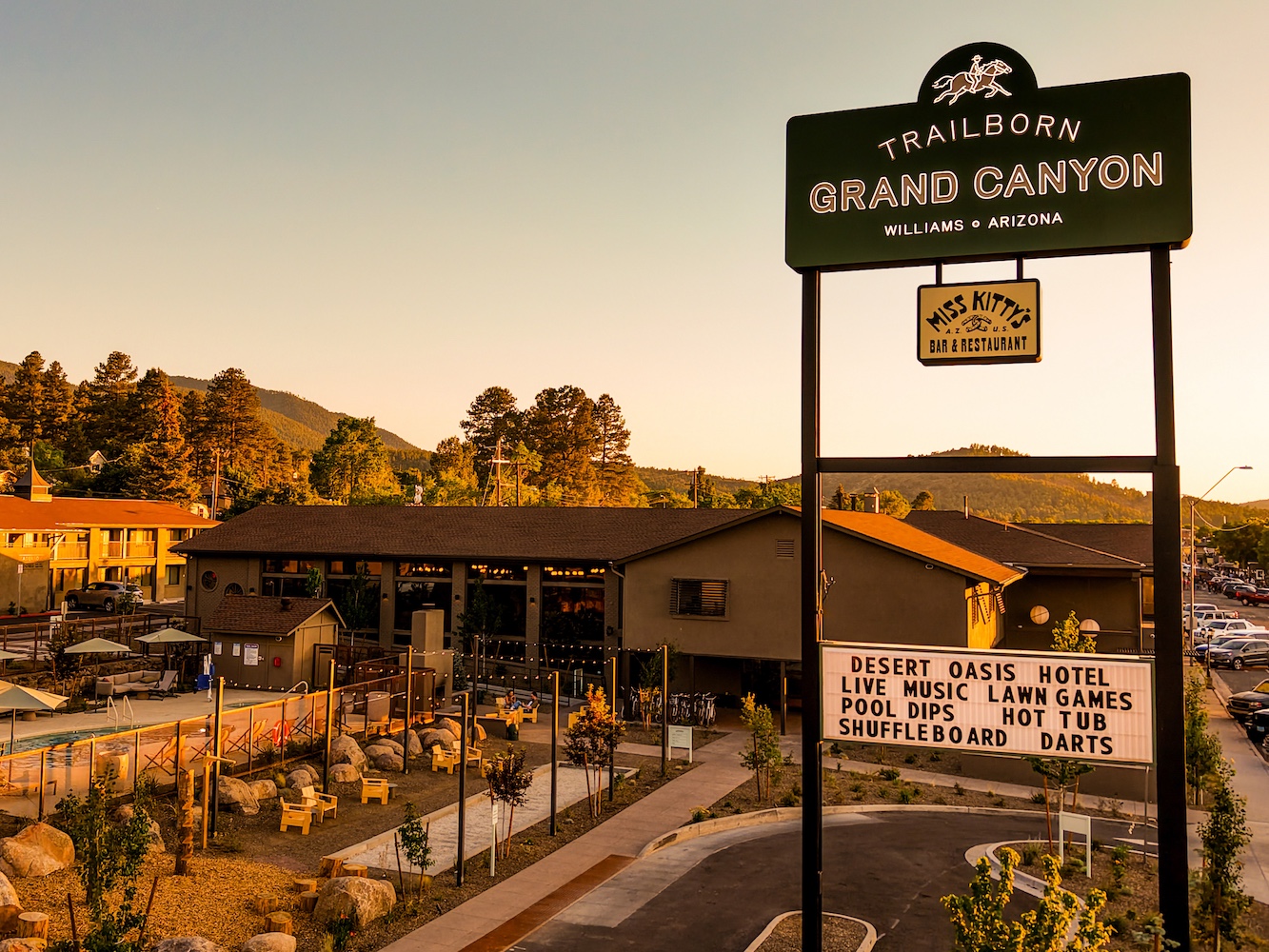
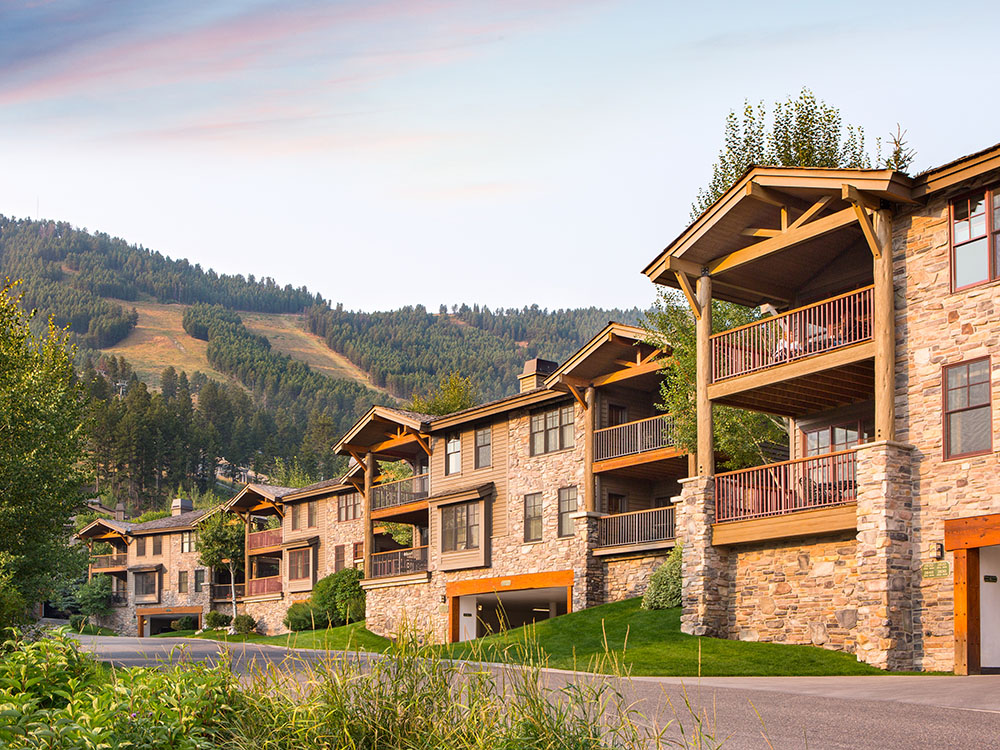
After a day exploring ancient cliff dwellings or hiking scenic canyon trails, return to Trailborn Grand Canyon to relax in thoughtfully designed guest rooms, enjoy the heated outdoor pool and hot tub, or settle in for dinner at Miss Kitty’s Steakhouse & Bar before planning your next adventure.
Whether you’re visiting Walnut Canyon as part of a Grand Canyon road trip or creating a wider Northern Arizona itinerary, Trailborn Grand Canyon offers the perfect basecamp for discovering some of Arizona’s most unforgettable landscapes.