



Trailborn Grand Canyon Blog
Dallas to Grand Canyon Road Trip: Route 66 Stops and Southwest Landscapes
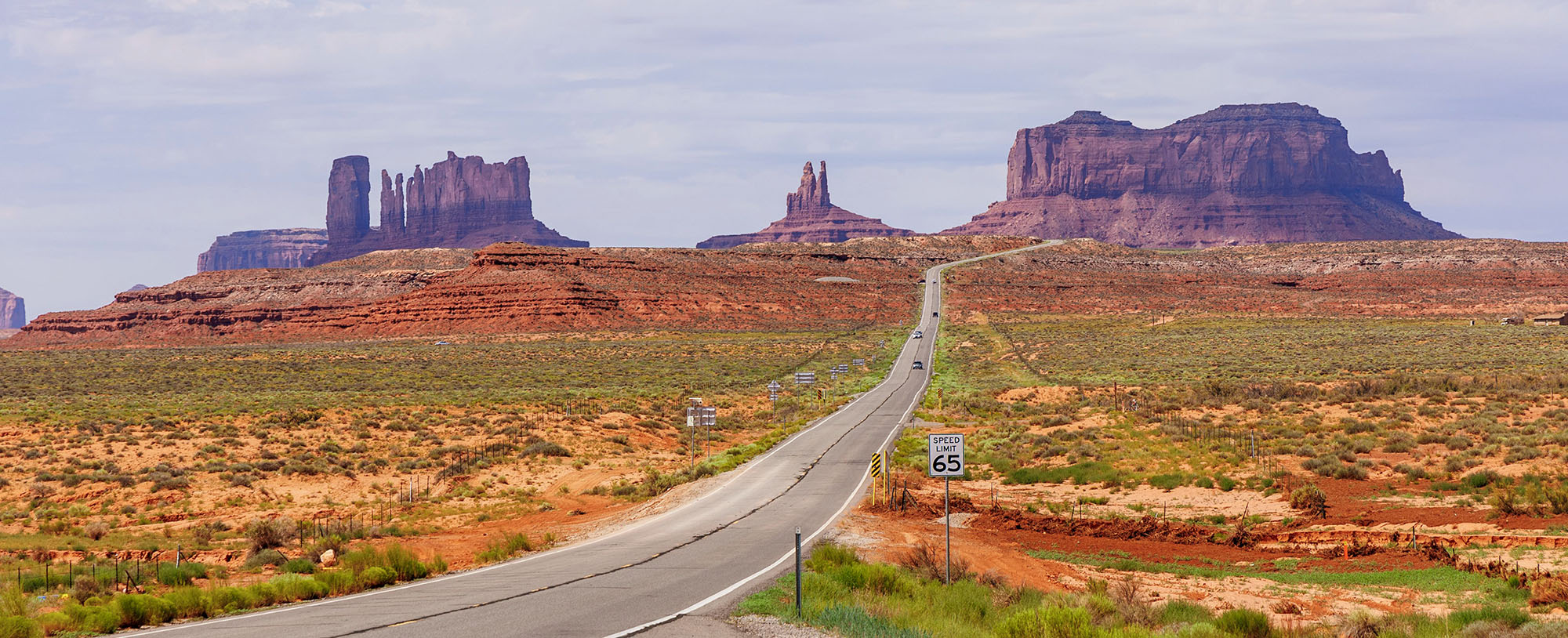
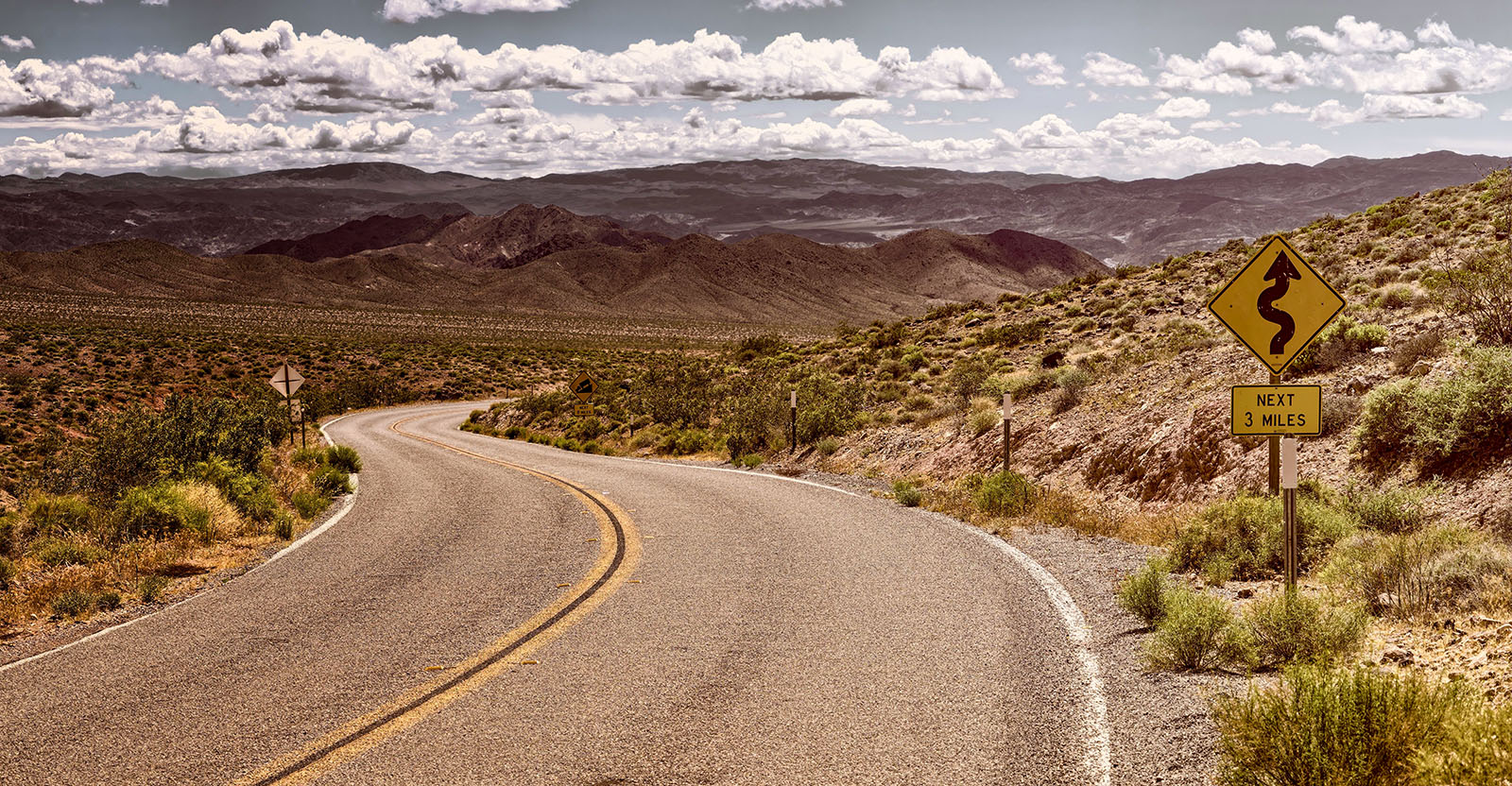
A Dallas to Grand Canyon road trip is about much more than reaching the South Rim. Across Texas, New Mexico, and Arizona, the journey takes you through wide-open plains, colorful desert landscapes, historic Route 66 communities, and some of the Southwest’s most memorable roadside attractions.
The drive can technically be completed in one long push, but taking several days allows you to experience the places that make this route so distinctive. Stop for classic Texas roadside art in Amarillo, follow stretches of the Mother Road through New Mexico, explore the Painted Desert, and spend your final night in Williams before continuing to the Grand Canyon.
Whether you are planning a long weekend or a wider Southwest road trip, this guide covers the best route from Dallas to the Grand Canyon, worthwhile places to stop, and how to turn the drive into part of the adventure.
How Far Is the Grand Canyon From Dallas?
The drive from Dallas to the Grand Canyon South Rim covers approximately 1,050 miles and usually takes around 15 to 17 hours without extended stops.
The most direct route generally follows:
- US Highway 287 from Dallas toward Amarillo
- Interstate 40 west through New Mexico and Arizona
- Arizona State Route 64 from Williams to the Grand Canyon South Rim
Although the route can be completed over two days, three or four days will give you far more time to explore. Interstate 40 follows or runs close to long sections of historic Route 66, creating plenty of opportunities to leave the highway and experience the small towns, vintage signs, local diners, and desert scenery found along the original road.
The Best Route From Dallas to the Grand Canyon
From Dallas, travel northwest through North Texas toward Amarillo. After reaching the Texas Panhandle, the journey turns west along Interstate 40, passing through several of the most recognizable Route 66 communities in New Mexico and Arizona.
The main route includes:
- Dallas, Texas
- Amarillo, Texas
- Tucumcari, New Mexico
- Albuquerque, New Mexico
- Gallup, New Mexico
- Petrified Forest National Park
- Flagstaff, Arizona
- Williams, Arizona
- Grand Canyon South Rim
Interstate 40 is the fastest way to cover the longer distances, but it should not be the only road you experience. Historic Route 66 alignments remain accessible in many communities along the way, allowing you to build scenic and cultural detours into the drive without completely changing your route.
Best Stops on a Dallas to Grand Canyon Road Trip
Amarillo, Texas
Amarillo is a natural first overnight stop when driving from Dallas to the Grand Canyon. Located roughly five to six hours from Dallas, the city marks your arrival in the Texas Panhandle and places you directly on the historic Route 66 corridor.
The city’s Route 66 Historic District stretches along Sixth Avenue, where vintage storefronts now house antique shops, restaurants, galleries, and independent businesses. It is an easy place to stretch your legs, find dinner, and begin settling into the rhythm of the road.
Amarillo is also a convenient base for exploring Palo Duro Canyon State Park. Often described as the country’s second-largest canyon, the park offers scenic drives, hiking trails, and striking red-rock formations less than an hour from downtown.
Cadillac Ranch
Just west of Amarillo, Cadillac Ranch is one of the most recognizable roadside attractions in Texas.
The public art installation features 10 Cadillacs buried nose-first in the ground, their surfaces covered in layers of colorful spray paint left by visitors. It is unusual, playful, and exactly the kind of stop that belongs on a Route 66 road trip.
The attraction is located close to Interstate 40, so a visit does not require a major detour. Allow around 30 minutes to walk from the parking area, take photographs, and add your own temporary contribution to the constantly changing artwork.
Tucumcari, New Mexico
Crossing into New Mexico brings you to Tucumcari, one of the best-preserved Route 66 towns along the drive.
Historic motels, colorful murals, restored neon signs, and retro storefronts line the old highway through town. Tucumcari’s compact size makes it easy to explore during a meal break, but the illuminated signs also make it a memorable place to stay overnight.
Look out for the town’s Route 66 murals, which celebrate its railroad history, roadside culture, and long connection to cross-country travelers.
Santa Rosa, New Mexico
Continue west from Tucumcari to Santa Rosa, another historic Route 66 stop surrounded by wide-open New Mexico scenery.
The town is best known for Blue Hole, a deep, naturally clear pool fed by an underground spring. Its vivid blue water creates an unexpected contrast with the surrounding desert landscape. Even when you are not planning to swim, it is worth visiting for a short walk and photographs.
Santa Rosa also offers a collection of Route 66 landmarks and historic buildings, making it an easy addition to the journey between Tucumcari and Albuquerque.
Albuquerque, New Mexico
Albuquerque is one of the largest and most rewarding stops on the route. You could pass through in an afternoon, but an overnight stay gives you time to explore its contrasting historic and contemporary neighborhoods.
Begin in Old Town Albuquerque, where adobe buildings, shaded courtyards, shops, galleries, and restaurants surround the central plaza. Central Avenue follows the city’s historic Route 66 alignment and offers another look at its mid-century signs and roadside architecture.
For panoramic views across the Rio Grande Valley and the Sandia Mountains, ride the Sandia Peak Tramway to the top of the mountain. The city is also an excellent place to try New Mexican dishes made with the state’s famous red and green chile.
Gallup, New Mexico
Near the Arizona border, Gallup is another important Route 66 community and a convenient place to break up the drive.
The city has a long connection to Native American art and culture, with local trading posts and galleries displaying jewelry, pottery, textiles, and other works created by artists from surrounding communities. Downtown murals reflect the region’s history and cultural landscape, while historic Route 66 passes directly through the city.
Gallup can work as a quick lunch stop or an overnight alternative for travelers who want to reach Arizona early the following day.
Petrified Forest National Park
Shortly after entering Arizona, consider leaving Interstate 40 to explore Petrified Forest National Park.
The park protects one of the world’s largest concentrations of petrified wood alongside colorful badlands, archaeological sites, and sweeping views across the Painted Desert. It is also the only national park containing a preserved section of historic Route 66.
A scenic road runs for approximately 28 miles through the park, connecting its northern and southern entrances. Popular stops include:
- Painted Desert overlooks
- Blue Mesa
- Crystal Forest
- Giant Logs
- Newspaper Rock
- The historic Route 66 alignment
Driving the park road with several viewpoint stops generally takes two to three hours. Allow longer when you plan to walk one or more of its trails.
Winslow, Arizona
West of Petrified Forest National Park, Winslow offers another opportunity to experience Route 66 history.
The town is widely recognized for Standin’ on the Corner Park, a public space celebrating the Route 66-era downtown and its place in American music. The surrounding streets feature restored buildings, roadside signs, local shops, and places to stop for lunch.
Winslow is a compact and convenient break before continuing toward Flagstaff and Williams.
Flagstaff, Arizona
The landscape begins to change dramatically as you approach Flagstaff. High-desert plains give way to ponderosa pine forests, mountain views, and noticeably cooler temperatures.
Historic downtown Flagstaff combines Route 66 heritage with independent restaurants, breweries, coffee shops, and local stores. You can also visit Lowell Observatory, explore nearby Walnut Canyon National Monument, or take a short detour to Sunset Crater Volcano National Monument.
Flagstaff is only around 35 miles from Williams, making it an easy afternoon stop before completing the final portion of the day’s drive.
Why Williams Is the Perfect Final Stop Before the Grand Canyon
After crossing Texas, New Mexico, and much of Arizona, Williams provides a natural place to slow down before reaching the Grand Canyon.
Located on historic Route 66, the town preserves the atmosphere of a classic American road-trip destination. Its downtown features vintage signs, local restaurants, shops, and historic buildings, all set against the pine forests of Northern Arizona.
More importantly, Williams is approximately 60 miles south of the Grand Canyon South Rim. Staying here allows you to arrive, have dinner, and rest before making the final drive to the park the following morning.
Starting from Williams also means you can reach the South Rim earlier in the day, when temperatures may be cooler and popular viewpoints are often quieter. Instead of arriving after a long cross-state drive, you can approach the Grand Canyon feeling rested and ready to explore.
Make Williams Your Grand Canyon Basecamp
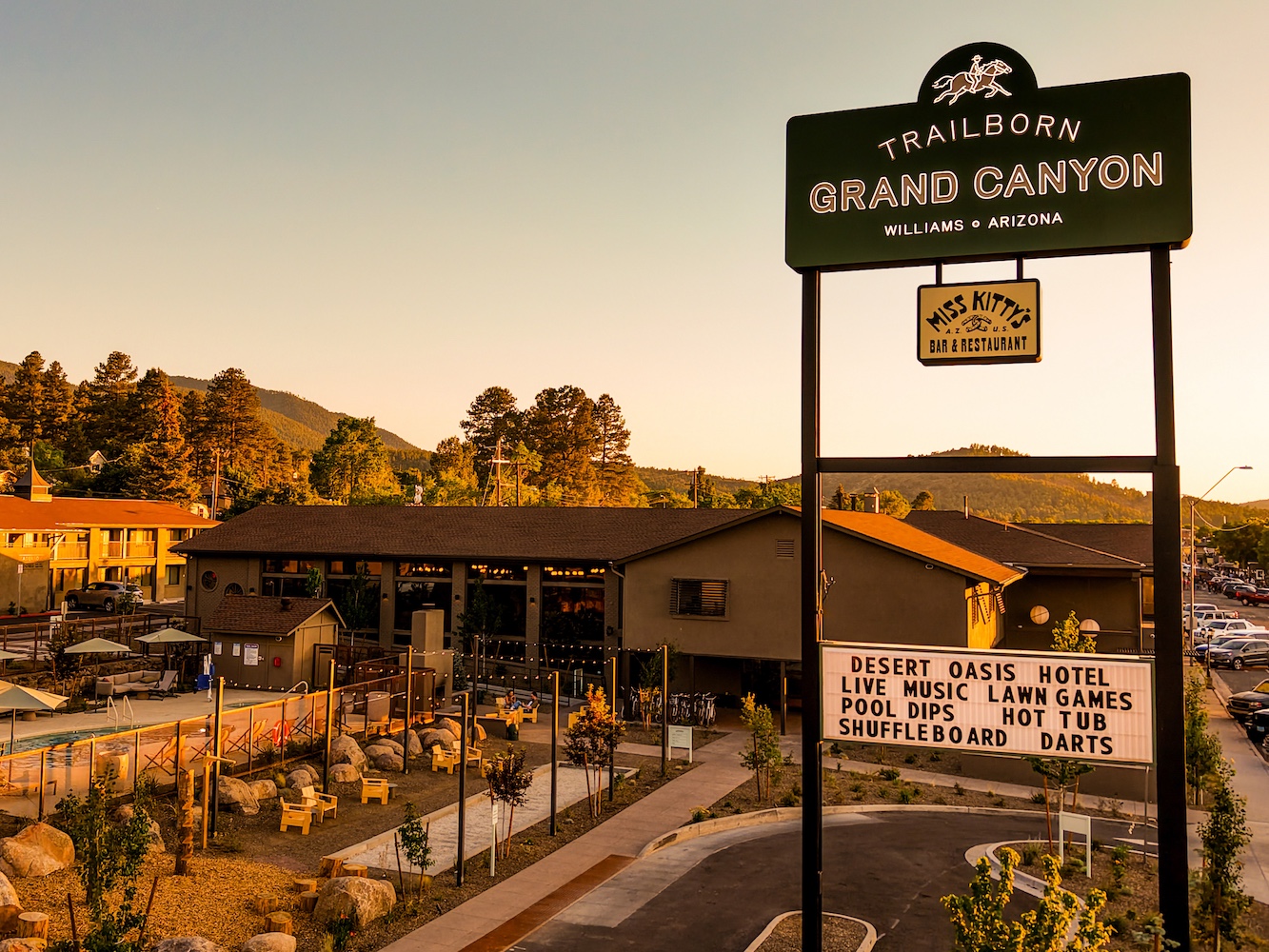
After days spent crossing plains, deserts, Route 66 towns, and colorful Southwest landscapes, Trailborn Grand Canyon offers a comfortable place to pause before the final journey to the South Rim.
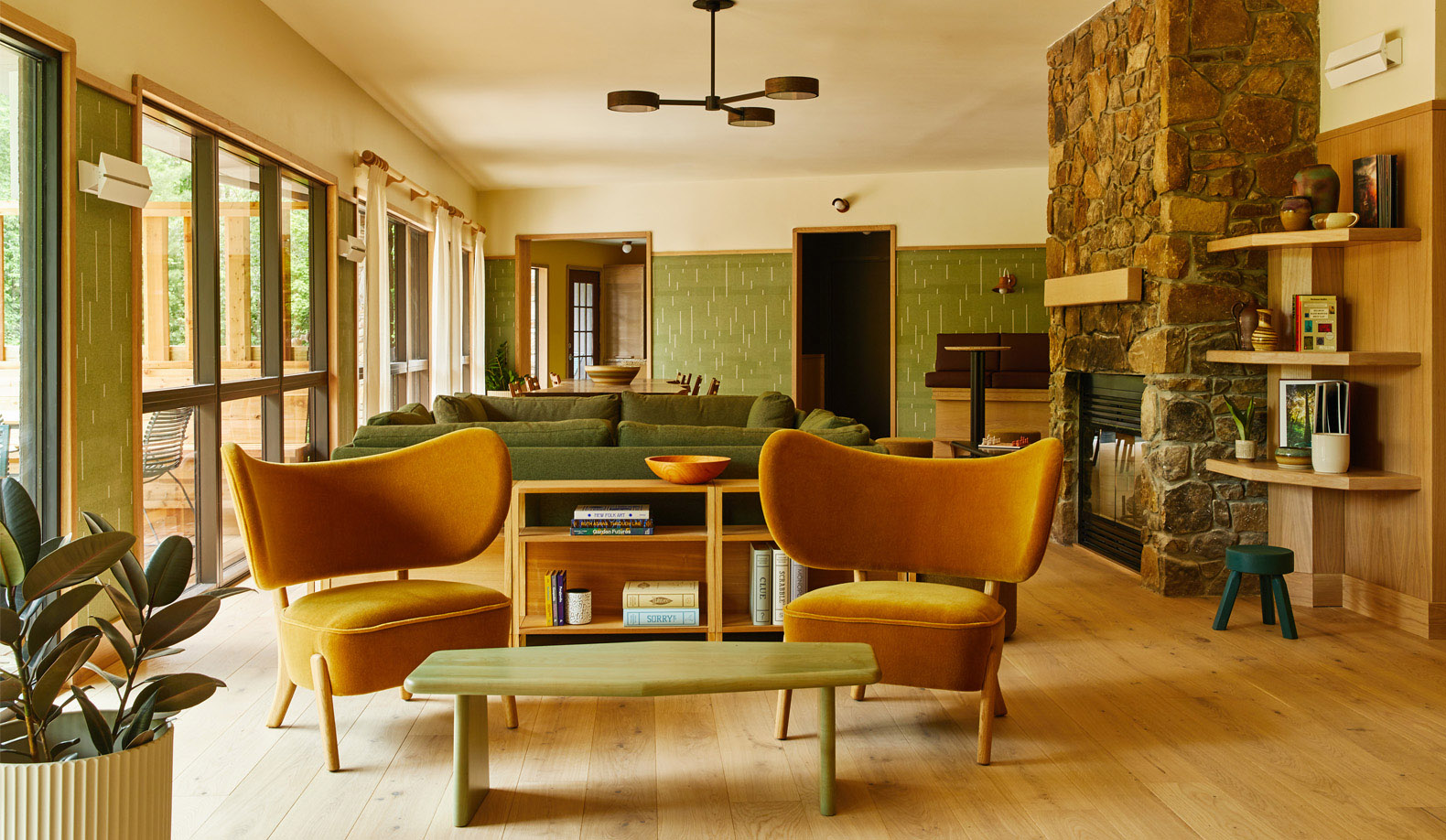
Located in Williams, the hotel places you close to the town’s historic Route 66 district and approximately one hour from Grand Canyon National Park. Spend the evening exploring downtown before returning to thoughtfully designed accommodations, a heated pool and hot tub, and dinner at Miss Kitty’s Steakhouse & Bar.
Rather than ending a long day of driving at the park entrance, stay overnight in Williams and begin your Grand Canyon experience rested the following morning. Trailborn Grand Canyon makes a convenient final stop on the journey from Dallas and a welcoming basecamp for exploring more of Northern Arizona.