

Trailborn Jackson Hole Blog
White Water Rafting in Jackson Hole: What to Know Before You Go
The Snake River cuts through some of the most dramatic landscapes in Wyoming, creating opportunities for everything from calm wildlife-watching floats to splash-filled white water adventures. For summer visitors, getting out on the river is one of the best ways to experience Jackson Hole beyond its trails and mountain overlooks.
White water rafting in Jackson Hole is approachable even if you have never picked up a paddle. Local outfitters lead guided trips through the Snake River Canyon, providing the equipment, instruction, and river knowledge needed to navigate the rapids. Travelers looking for something gentler can choose a scenic float through calmer water, where Teton views and wildlife take center stage.
Before booking, it helps to understand the difference between these Jackson Hole river trips, when rafting season begins, and what to expect once you are on the water.
Where Does White Water Rafting Take Place in Jackson Hole?
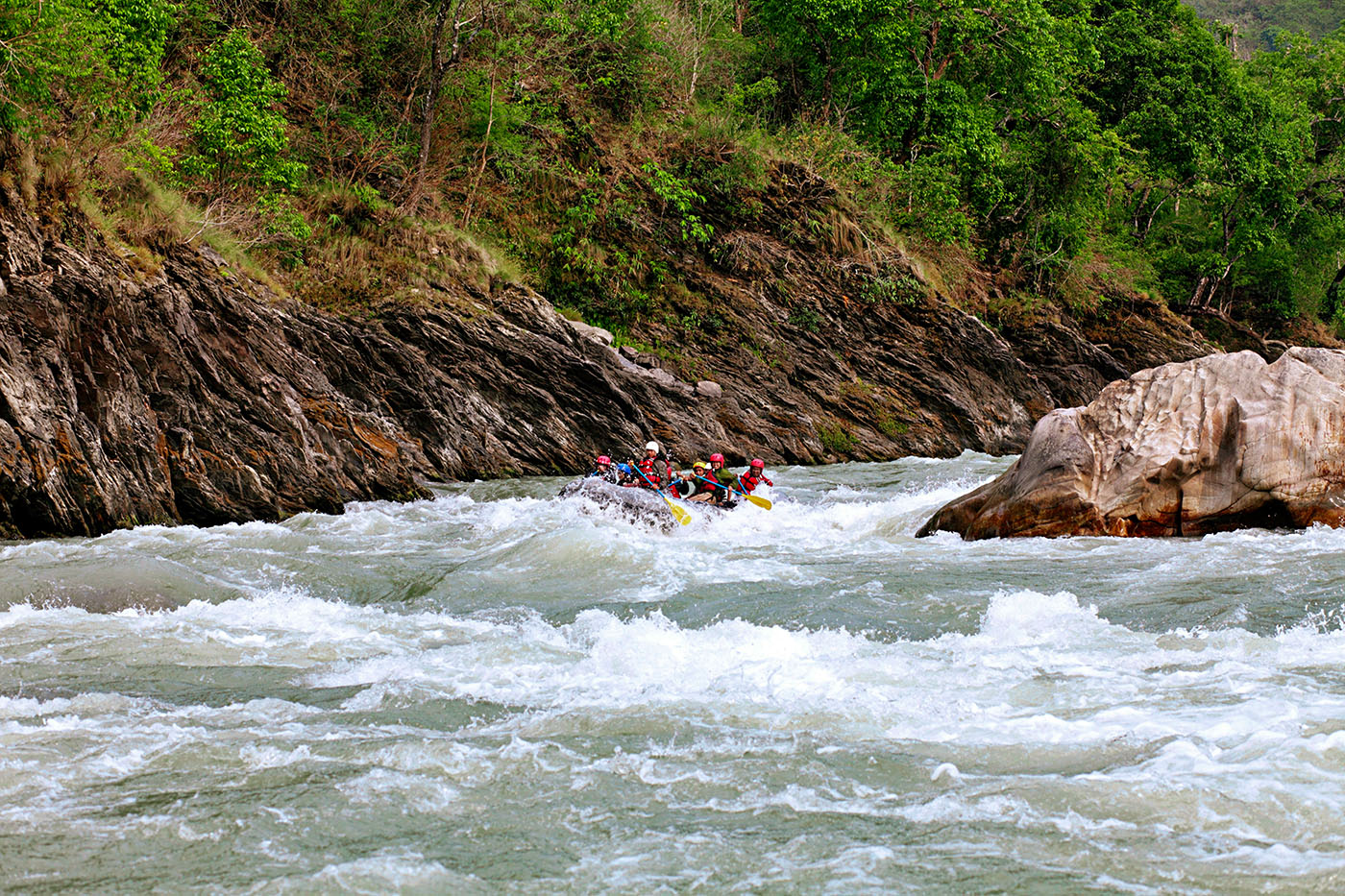
Most white water rafting near Jackson Hole takes place on the Snake River south of town. The popular white water section flows through Snake River Canyon, where forested slopes rise above the water and a series of rapids break up calmer stretches.
This is a different setting from the flatter portions of the Snake River found in and around Grand Teton National Park. Those northern sections are generally used for scenic float trips, while the canyon provides the faster current, waves, and rapids associated with white water rafting.
Jackson Hole’s outfitters typically arrange transportation to and from the river, so visitors do not need to navigate launch points independently. Depending on the company and trip selected, you may meet at an office in Jackson or be collected from a designated location before traveling to the river.
White Water Rafting or a Scenic Float?
Both experiences take place on the Snake River, but they offer very different days on the water.
Choose White Water Rafting for Rapids and Big Splashes
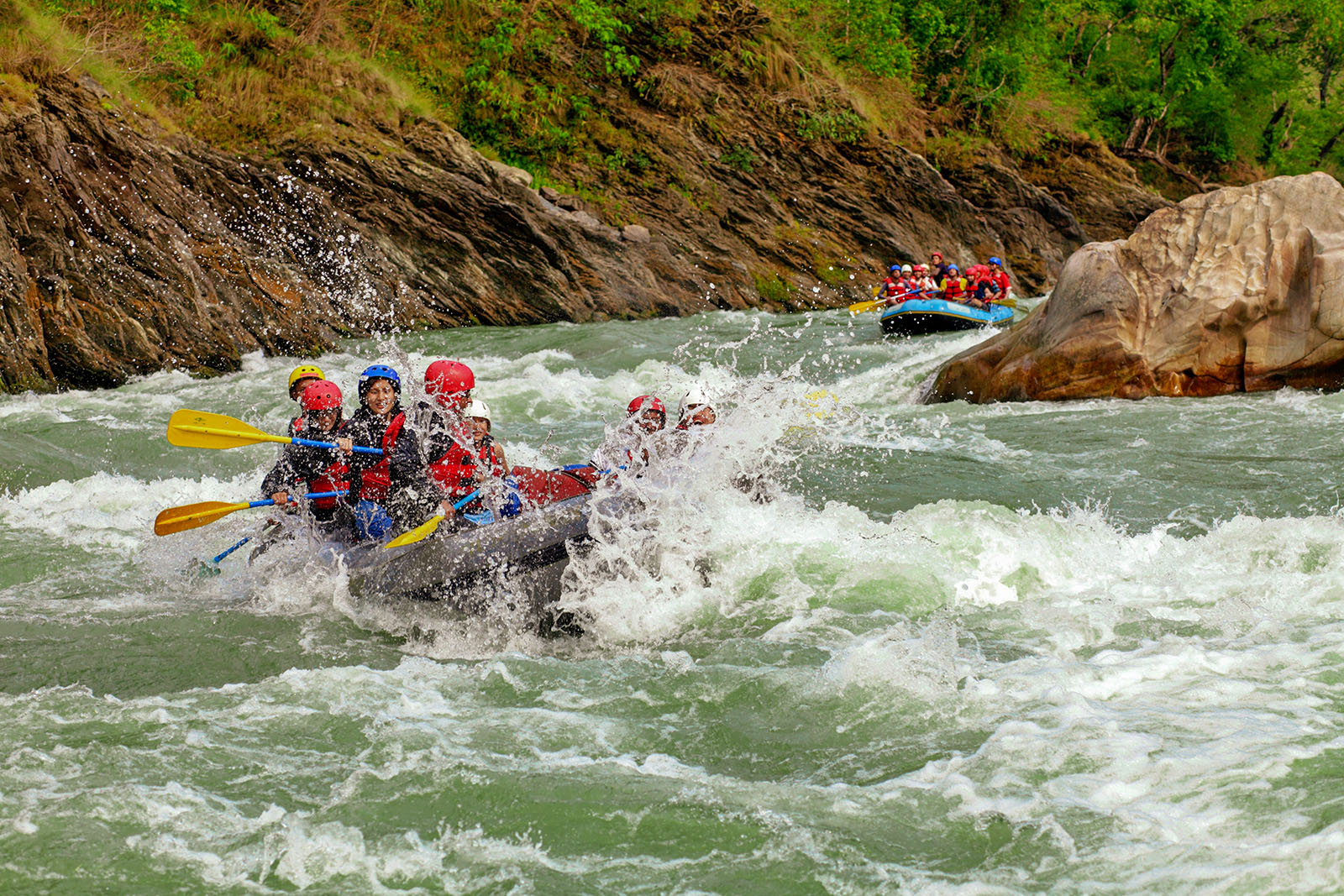
A Jackson Hole white water rafting trip is the more active option. Guided rafts travel through Snake River Canyon, passing through waves and rapids interspersed with calmer sections.
Before launching, the guide will explain how to paddle, where to sit, how to respond to commands, and what to do if someone enters the water. Depending on the boat style, passengers may be expected to paddle as a team, although some trips use larger rafts where the guide handles more of the work.
Expect to get wet. Even if you remain firmly inside the raft, waves and paddle splashes are part of the experience. Water in the Snake River can remain cold throughout summer, so the right clothing makes a significant difference.
White water rafting is best for travelers who want:
- An active outdoor experience
- Rapids and faster-moving water
- A group adventure
- A memorable introduction to the Snake River
- A chance to cool down on a warm summer day
Choose a Scenic Float for Views and Wildlife
Scenic Snake River floats follow calmer sections of water and focus on the surrounding landscape rather than rapids. Various permitted outfitters operate trips on flatwater sections both inside and south of Grand Teton National Park.
The pace is slower, allowing more time to take in the Teton Range, riverbanks, forest, and open valley. Guides may also share information about the region’s ecology, history, and wildlife.
Although wildlife sightings are never guaranteed, guests may see bald eagles, waterfowl, elk, moose, or other animals along the river corridor. Morning and evening departures can be especially atmospheric, with softer light and cooler temperatures.
A scenic float is best for:
- Families seeking a gentler river experience
- Travelers who prefer not to tackle rapids
- Photography and mountain views
- Wildlife watching
- Multigenerational groups
- A quieter addition to a busy itinerary
What Are the Rapids Like on the Snake River?
The white water section of the Snake River includes a combination of quieter water, waves, and rapids commonly suitable for guided recreational trips. Conditions and the character of individual rapids change with water levels, so no two rafting days feel exactly the same.
High water can create larger waves and faster currents, while later-season trips may involve more technical navigation around exposed rocks. Your outfitter will choose the appropriate raft, equipment, and approach for the current conditions.
You do not usually need previous rafting experience for a standard guided trip. However, participants should be prepared to listen closely, follow instructions, and paddle when asked. Anyone with concerns about swimming ability, mobility, medical conditions, or comfort around fast-moving water should speak with the rafting company before booking.
Is Jackson Hole Rafting Suitable for Families?
Many outfitters offer family rafting in Jackson Hole, but age, weight, and swimming requirements vary by company and river conditions. Minimum ages may change throughout the season because the Snake River can be faster and colder during periods of high water.
A confident older child may love the excitement of white water rafting, while younger children may be better suited to a scenic float. Families should consider each child’s comfort with cold water, sudden movement, loud instructions, and the possibility of getting thoroughly soaked.
Before reserving a white water trip, ask the outfitter:
- What is the current minimum age?
- Are there minimum weight requirements?
- How challenging are the expected conditions?
- Does every passenger need to paddle?
- Are wetsuits or splash jackets provided?
- Is the selected trip suitable for first-time rafters?
- What happens if conditions change?
For families uncertain about white water, a scenic float is a strong introduction to the Snake River. Children can still experience the landscape from the water without the waves and intensity of the canyon rapids.
When Is the Jackson Hole Rafting Season?
Jackson Hole rafting is primarily a warm-weather activity. The exact operating season depends on snowmelt, river conditions, weather, and the individual outfitter.
Late Spring and Early Summer
As mountain snow begins to melt, more water enters the Snake River. This period can bring swift currents, colder water, and larger waves.
Early-season rafting can be exciting, but it may not suit every traveler. Outfitters may apply stricter age or weight requirements when the water is particularly high. Cold-weather gear is also more important during this part of the season.
July and August
July and August are the most popular months for Snake River rafting in Jackson Hole. Days are generally warmer, making the prospect of getting splashed much more inviting.
These months also coincide with the busiest travel period in Jackson Hole. Morning and afternoon rafting departures can fill quickly, so booking before arrival is recommended, particularly for families and larger groups.
Late Summer and Early Fall
As summer progresses, water levels generally become lower. The shape of the rapids can change as more rocks and river features become exposed, giving later-season trips a different character.
Air temperatures can also become cooler, especially during morning and evening departures. Many white water outfitters finish their seasons in September, although some scenic floats may continue later into fall when conditions allow.
Because operating dates vary from year to year, confirm current availability directly with your chosen outfitter.
What to Expect on a Guided Rafting Trip
Your experience will typically begin with check-in and a short journey to the launch point. Before entering the river, guides distribute safety equipment and provide a briefing.
You will learn how to:
- Wear and adjust your personal flotation device
- Hold the paddle safely
- Follow forward and backward paddle commands
- Position yourself inside the raft
- Help another passenger back into the boat
- Respond if you enter the water
Once underway, the guide steers the raft and calls out instructions as you approach each rapid. There will usually be quieter sections between waves, giving everyone time to regroup and take in the canyon.
At the takeout point, transportation is generally provided back to the outfitter’s office or original meeting place. Total trip time includes check-in, transportation, safety instruction, and time on the river, so check the full duration rather than looking only at the rafting portion.
Should You Book a Guided Trip?
First-time visitors should book with an experienced, permitted local outfitter. The Snake River’s channels, obstacles, temperatures, and currents can change, and knowledge of one section does not necessarily prepare someone for another.
A guided trip removes the need to transport equipment, arrange a vehicle shuttle, understand local launch points, or evaluate changing river conditions independently. It also allows your group to focus on the experience rather than logistics.
Private boating requires additional planning. Depending on where you launch, permits, passes, inspections, and aquatic invasive species requirements may apply. Grand Teton National Park has its own boating regulations, and anyone planning an independent trip should consult the National Park Service’s Snake River guidance and current Bridger-Teton National Forest permit information.
Make Trailborn Your Base for a Snake River Adventure
White water rafting delivers the fast-moving side of Jackson Hole: cold spray, paddle commands, canyon walls, and the shared thrill of making it through the next rapid. A scenic float reveals something quieter, with the Snake River carrying you through open landscapes beneath the Tetons.
At Trailborn Jackson Hole, both experiences are within easy reach. Guests can reserve guided white water rafting and scenic floats through Trailborn’s collection of warm-weather experiences, then return for a dip in the pool or hot tub, restorative time at Ember Lily Spa, and an après meal at Old Timer Bar & Restaurant.
Explore the river by day, then settle back into a mountain base built for whatever adventure comes next.